
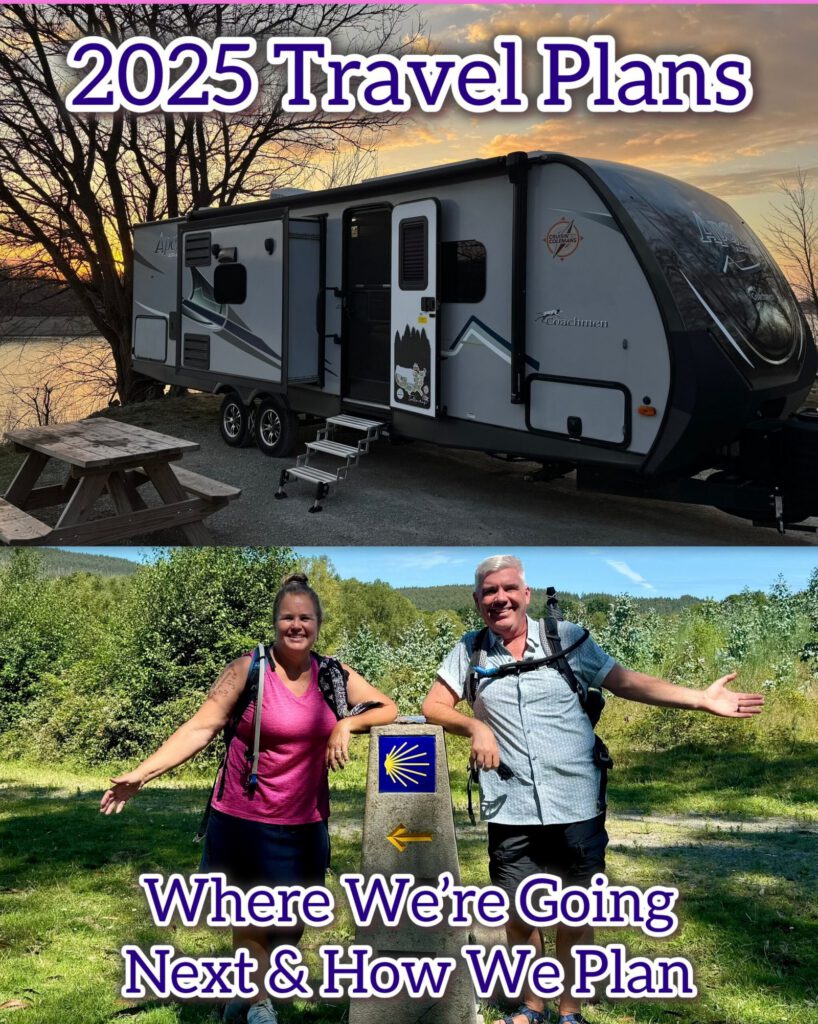
2025 Travel Plans – Where We Are Going Next & How We Plan

By this time of year (end of March), we usually have our travel plans finalized. We love to plan early because it helps us secure the campsites we want and assists with our budget planning. Most importantly, we enjoy planning throughout the school year. The school year is almost over, so it’s uncomfortable not to have our plans in place.

We didn’t know what we wanted to do or where to go; who knew there was a reason! But our travel plans are nearly finalized now! We have planned several RV trips in the Midwest, including one along the Bourbon Trail through Kentucky.

In June, we will walk the Way of St. Francis (La Via di Francesco) from Florence to Assisi. The trail continues to Rome; we are confident we will eventually complete it, just not this year. It will be a challenging walk with significant elevation gain, but we have hiked through Italy before, and the views are breathtaking!  

Photo credit: https://caminoist.org/st-francis-way/


Here’s a quick overview of how we start planning our trips.

What Can We Do
As we are both over 50, one of the biggest factors in deciding what to do and where to go is asking ourselves, “What can we do before our bodies will no longer allow us?” We are acutely aware that we are not getting any younger. I hope we have plenty of years ahead, but you never know where life will take you. We want to keep doing hard things, like hiking through Tuscany or climbing Machu Picchu, before it’s something we can’t do. 

Early Planning Stages
With plans in mind, the real fun begins: we love coming up with what we want to see and do. We start by watching YouTube videos, as it’s enjoyable to observe what others consider important about the area we plan to visit. These videos present genuine experiences, often unrefined, offering a true account of the experience.

Time to Budget
Regardless of where we want to travel, our budget constraints largely determine the destinations we choose. I wish we could live budget-free lives, but that will never happen during our travels. Haha! We begin by considering what we want to spend and then move on to what we need. We include lodging, food, airfare, excursions, potential side trips we may wish to add, and souvenirs. 

Dates and Routes
We look at the calendar and make sure we are making the smartest plans for the time we have to travel. It doesn’t make sense to travel all the way to Europe and spend the most amount of time. We always try to go over there for at least a month. There is so much to do and see in Europe, and your biggest expense is getting there.

Then, we consider which RV routes are sensible. If we have the time, we make plenty of stops along the way, meaning the actual destination isn’t very far. For instance, we don’t have much time for a long trip in June, so planning a Bourbon Trail trip through Kentucky is perfect for us. The destination is only a few hours away, and we’ll be staying at Harvest Hosts, so the stays will be free. If you are an RVer and not a member of Harvest Hosts, sign up here.

Creating a Spreadsheet
We love to create good spreadsheets. We have them for walking Caminos and RV trips with lots of stops. The spreadsheet includes where we are going, the miles/km to get there, what we want to do when we are there, our budget, etc. We are happy to share spreadsheets with you. Just drop us a message.

Trip planning doesn’t have to be a daunting task; in fact, it should be quite fun. It’s like a pre-vacation where your imagination can take you anywhere for free. If you need help, we LOVE to help people plan trips, drop us an email at cruisinwiththecolemans@gmail.com.

If you have any travel questions, send them our way! We love to help others. Who knows, you may inspire our next blog post. We hope you will follow our travels this year. We will highlight them on Facebook, Instagram, and YouTube, making reels and posting photos in real time as we travel.

Until next time – we hope your travels are fulfilling!

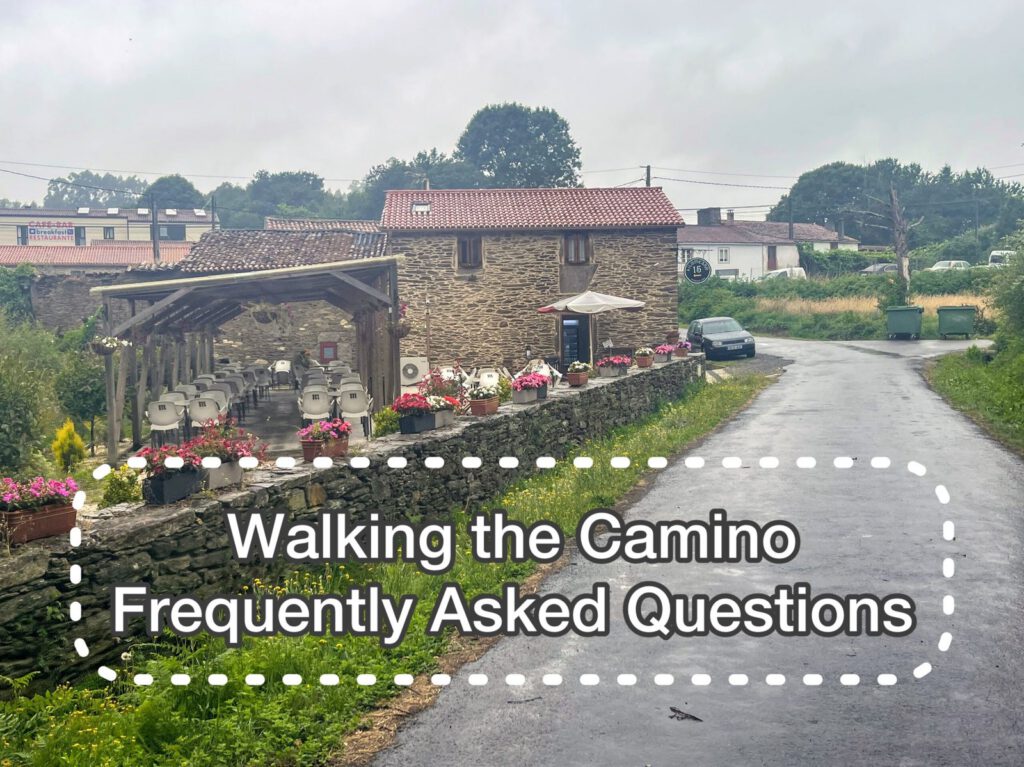
Group Travel Frequently Asked Questions

These are frequently asked questions about the Camino de Santiago. This blog post addresses common inquiries regarding preparation for the walk and specific questions for those traveling with us. I have broken it down into four categories: Phones and Wifi, Money and Financial Concerns, Preparations and Daily Concerns, and Social Media. If you have a question not addressed in this blog, please reach out so we can add the question/answer.

Phones and Wi-Fi

  1. Will my phone work?
    1. The easy answer is yes! However, you need to decide what you do for coverage. Because of the cost, we don’t use our regular cell phone plan when we travel to Europe. Instead, we order a European SIM card from Orange right before we leave and activate it when we arrive in Spain. This is the link to their holiday plan. It’s an eSIM, so you can complete this online. Your phone has to be unlocked. Reach out to us if you have questions.
  2. Will there be cell service?
    1. Yes! You will be walking in populated areas with lots of cell coverage.
  3. Will there be wi-fi?
    1. Almost every bar, restaurant, and lodging will have wi-fi. I cannot guarantee it will be fast, but you will have phone access when needed.

Money and Financial Concerns

  1. How much should I budget for lunch and snacks?
    1. This depends greatly on how much you eat and if you are a drinker. Cocktails are a lot more expensive than wine. Water usually comes in a bottle unless you specifically ask for tap water (agua del grifo), but I cannot guarantee that will always work. If you budget 25-30€ daily, that should be plenty (unless you are a cocktail drinker, those can be 5-8€ each). Don’t forget money for souvenirs.
  2. How much cash should I have with me?
    1. You should always keep a small amount of cash, but not too much in case something happens and you lose your wallet. We recommend no more than €100 on hand time.
  3. Will there be ATMs along the way?
    1. You will find ATMs everywhere along the way, but those can have hefty fees if you don’t know what you are doing. Use a bank card that doesn’t have international fees or ATM fees. For cash, we use our Charles Schwab checking account debit card. Schwab does not charge ATM or international fees; they also reimburse you for any ATM fees the other bank charges.
    2. We strongly advise against using currency exchange locations! Although they are visible, they are expensive, and there are much better alternatives for accessing cash.
  4. Beyond the fee, what other expenses should I expect?
    1. The only expenses you should incur are meals throughout the day (second breakfast, lunch, snacks, cocktails), pharmacy needs, and souvenirs.
    2. Tips and gratuities from our group members are appreciated by our tour guides, drivers, and cooking class instructors..
  5. What happens if I can’t go on the trip?
    1. The $500 deposit is non-refundable. We will work on the rest with you. If your travel insurance is active when that decision is made, that is a great way to ensure we are still paid. At a minimum, we expect you to cover any expenses we will be out (museum tickets, etc).

Preparations, Daily Concerns, and Itineraries

  1. What is the schedule going to be like?
    1. We will start our day at about 7 a.m. Your walking will be done between 1-3 p.m. Then it’s time for washing clothes, grabbing a nap, and some self-reflection. We will have dinner at about 7 p.m. as a group. We will not only enjoy a meal but also reflect together. Lights out is about 10 p.m. so we can start again the next day.
  2. What if I have dietary restrictions?
    1. Please let us know ASAP so we can ensure you have breakfasts and dinners that meet your dietary needs. Please understand that a typical breakfast is coffee and a pastry.
  3. Should I have a guidebook with me?
    1. If you get lost, you should have a phone app with GPX tracks to help you find your way. Some people also like a guidebook. Here is an example of one we like to carry with us. Also, note that Google Maps will help you get back on a main road but not necessarily the trail.
  4. Do I need to know the local language?
    1. It’s helpful to have a basic understanding of the language. This will help you greet people properly and order food when you are hungry. Listening to podcasts like Coffee Break or working through lessons on Duolingo are very helpful.
  5. Will there be pharmacies?
    1. You will walk through multiple villages throughout the day, and pharmacies are everywhere. They will have everything you need, just like you would find in a CVS or Walgreens. 
  6. Will there be access to water on the trail? 
    1. Yes! There will be many places to grab water from fountains along the trail. It will be unfiltered water from a fountain. However, the fountains are used by locals and pilgrims alike, and we have not had any issues with them.
  7. Will we all walk together?
    1. Yes and no, that depends on the group. We will let the group decide what they are most comfortable with for the daily walks. We will not leave anyone alone unless they want to walk alone. We may start our day together and spread out throughout the day. Don’t stress – we are there to support you!

Social Media

  1. I want to be off-grid while on the trip; is that possible?
    1. Yes! Tell your friends to follow Cruisin’ with the Colemans on Facebook or Instagram. We will post photos and videos throughout the day on Facebook and Instagram. Additionally, we will be posting daily vlogs on YouTube during the trip. Your friends and family will have a lot to watch without bothering you! 
  2. How do I get the photos you took?
    1. We will share a drive with you containing photos and videos that you can download. They are yours forever! 

I hope this blog answers your questions. However, if it does not, please reach out. Leave a comment below so we can add your question to this post.

Thanks, Michelle & Brian

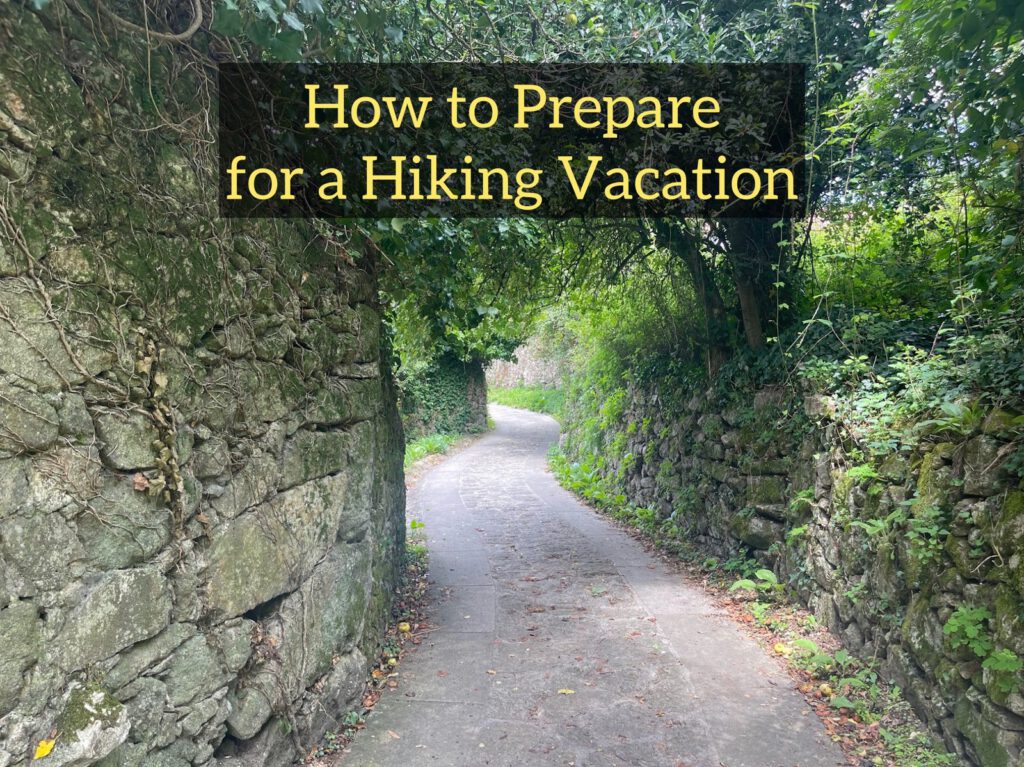
Preparing for a Hiking Vacation

When we think about vacations, we often imagine relaxation, sightseeing, and indulgence. However, when planning a hiking vacation, it’s essential to shift that mindset to one of preparation and training. Just as we wouldn’t head to an amusement park without some knowledge of the attractions, we shouldn’t embark on a hiking adventure without getting our bodies and minds ready for the journey ahead.

It’s amusing that no one “trains” for a vacation, even when they are headed to places like Disney World, where they’ll walk 6 to 10 miles a day, or Rome, Italy, where they may walk even further in a single day. We just don’t consider training for a traditional vacation. You know, because it’s a vacation; the place you go to relax and unwind.

But if we are planning a hiking vacation, we need to train. We must consider the gear we carry, what clothing to wear, and how to manage ourselves if a problem arises. When hiking, you might find yourself in the middle of nowhere. Do you have a plan? Do you have basic first aid knowledge? There are many considerations. I’m not addressing all of that today (maybe another day). Today, I’m focusing on training to be physically and emotionally prepared.

Understand the Terrain
First, get to know the trails you plan to hike. Research the elevation, terrain type, and estimated distance. Understanding what to expect will help you customize your training regimen. For example, hiking in the Rocky Mountains requires different training than trekking through the Appalachian foothills. A hiking trail like the Camino de Santiago is entirely different. On most routes of the Camino, there are villages every 3-4 miles, which provide a break, a snack, and a distraction that you won’t find on other trails.

“I love hiking, but I don’t love every minute of every hike.”

Building Physical Endurance
Any long-distance trek will challenge your physical abilities, and that shouldn’t scare you; it should excite you to push your limits. We often say, “I love hiking, but I don’t love every minute of every hike.” So why do we still love it even when we don’t enjoy every moment? Because during tough challenges on difficult days, things can be overwhelming; however, when you overcome something you once thought was impossible, the sense of achievement is incredibly rewarding.

  1. Start Walking. The best way to prepare for hiking is to start walking regularly. If you’re not already doing so, aim for at least 30 minutes of walking three to five times a week. Gradually increase the duration and intensity of your walks, aiming for longer distances over time. Set a manageable plan, one that feels attainable for you. This is not about being the fastest or best walker; it’s about improving what you can do today.
  2. Incorporate Hills. Explore local trails or spots with inclines. Walking uphill helps develop the leg strength and endurance necessary for hiking. Take your time on the hills; this isn’t a race. You’re only competing against yourself. If you don’t have hills where you live, then walk on a treadmill and slowly increase the incline.
  3. Cross-training. To boost overall fitness, consider exploring other forms of exercise. Activities such as cycling, swimming, or even strength training can improve your cardiovascular endurance and muscle strength, which are essential for navigating rugged trails. Yoga is excellent for enhancing flexibility, which your muscles will appreciate when they feel tired and tight after a long day of walking. We have a local yoga studio that offers a punch card for drop-ins, so you don’t need a membership.
  4. Practice with Gear. Don’t forget to train with the actual gear you plan to take on your trip. Get used to wearing your hiking boots or shoes, carrying your backpack, and using trekking poles. This way, you’ll break in your equipment and evaluate what adjustments might be necessary. Continue adding weight to your pack as you become comfortable, simulating the gear you’ll carry on your trip. Start with an empty pack, then add water, followed by a bit of clothing, and so on, until you have exactly what you will take on your trip. One thing we do to practice with our gear is add bags of rice to mimic gear and weight.

Mental Preparation
Hiking is not only a physical challenge but also a mental one. Some days, the trail can feel short and beautifully enjoyable, while other days may feel long and even tedious. To prepare yourself, set realistic expectations and establish mental goals for your hikes.

  1. Set Your Intention. Before I start walking, I like to set a daily intention: What do I want to think about today? What do I want to be thankful for today? What do I want to discuss with my partner or my higher power today? This intention helps me focus my mind when the day is long and gives my walk a greater purpose.
  2. Balance Your Mind. Include mindfulness or meditative practices in your training routine. Recognizing that hiking can sometimes be tough will help you stay calm and focused during challenging sections of the trail. While you’re on the trail, you’ll have plenty of time to lose yourself in your thoughts. Is that beneficial for you? Do you prefer music? Be ready for long periods of silence.
  3. Visualize Success. Spend time visualizing yourself completing your hike. Picture the stunning views, the sense of accomplishment at reaching the summit or the destination, and how to manage any physical challenges you might face. This practice can be a powerful motivator. 
  4. Learn Basic Navigation and Safety. Familiarize yourself with map reading and compass skills, or consider taking a wilderness first aid course. Being mentally prepared for emergencies boosts confidence and can make your hiking experience safer and more enjoyable.

Preparing for a hiking vacation is an investment in the great outdoors. It’s an investment in you—the health of your mind and body. By training both physically and mentally before you go, you’ll not only enhance your hiking experience but also ensure that you’re ready for any challenges that arise with confidence and resilience. Remember, it’s about enjoying the journey just as much as the destination. So lace up those hiking shoes, hit the trail right now, and let your adventure begin!

Have a question? Reach out to us! Make sure you subscribe to our newsletter so you know when new blog posts are published!

Do you like what you read today? Please give us a thumbs up, leave a comment, and share it with others!


★ 25 years guiding ★ 48 U.S. states ★ 10 countries ★ 3,000+ Camino miles