
We haven’t been blogging this summer but we’ve been posting about two videos a week about our Camino adventures. Have you checked them out? We’d love to share our Camino with you! Go to YouTube.com/CruisinwiththeColemans to catch up on our videos.
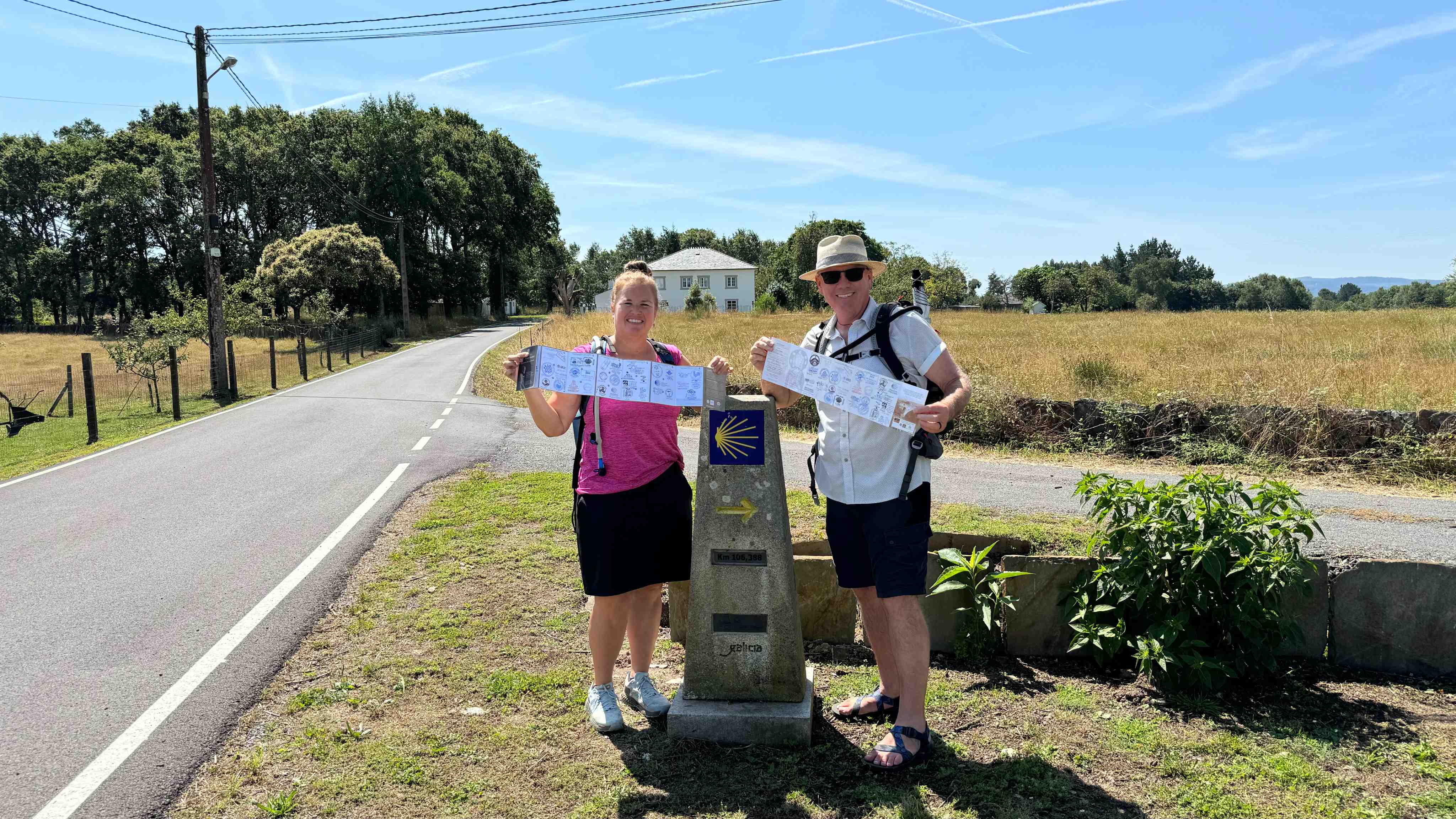
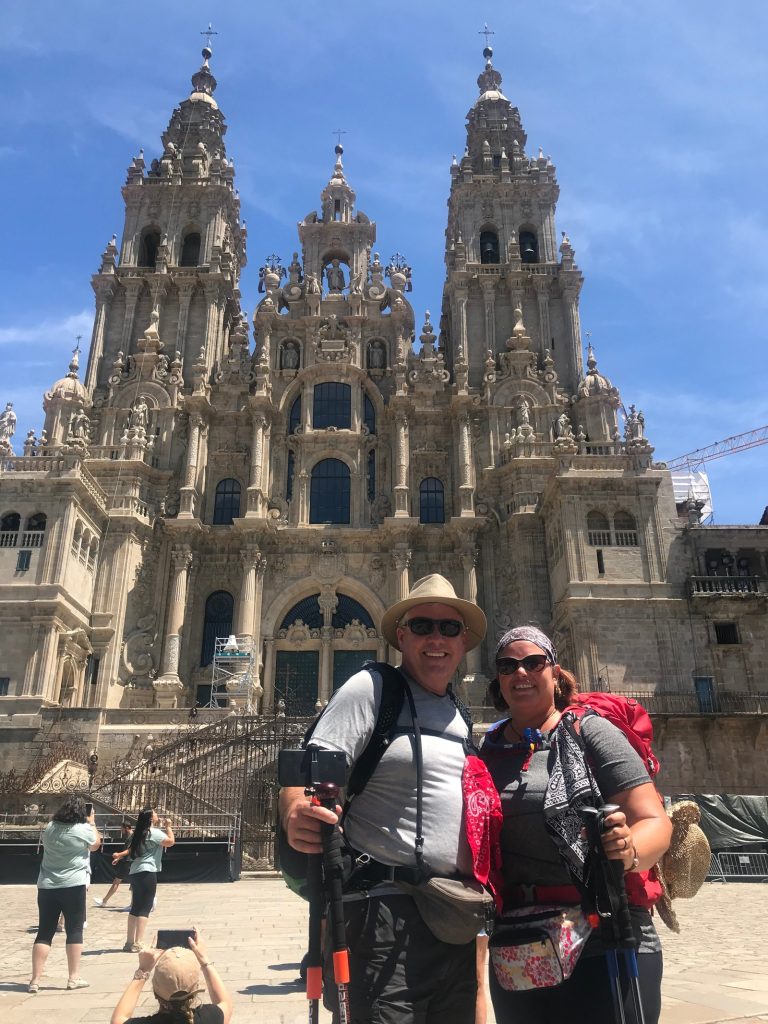
We walked about 300 kilometers on the Camino Frances from León to Santiago in June. Then we flew down to Lisbon, Portugal to complete the Camino Portuguese. We rode bikes from Lisbon to Porto, walked the coastal route from Porto to Caminha, took a boat over to Tui, then finished by walking Tui to Santiago. We arrived in Santiago on July 24th to enjoy the beginnings of the Feast of St. James.
We have one more adventure before we say goodbye to the Camino. We will leave on July 27 to walk to Muxia and then walk on to Finisterre.
You can follow the remainder of our journey on Instagram and Facebook. Our YouYube channel is a few weeks behind where we are now but they are worth the wait for sure!
For now we say, “Buen Camino,” and we will see you when we’re blogging again this fall.
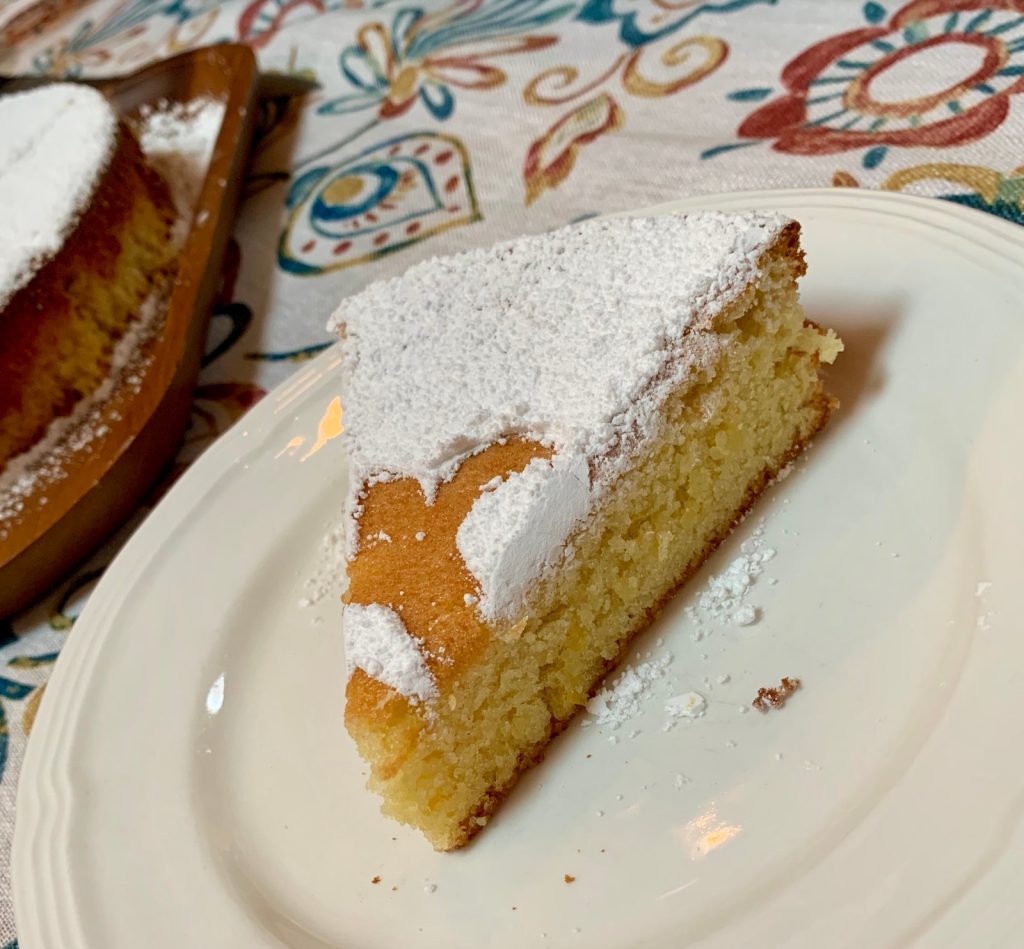
While walking along the Camino de Santiago, there is always plenty of food to choose from, but one of my favorite things is to ask for “especialidad de la casa” or specialty of the house. Whether it is garlic soup, barnacles, home-made cheese, tuna ragu, or octopus, they were always fresh, usually delicious, and definitely a taste of the local culture. One of our favorite local specialties was Tarta de Santiago, an almond cake commonly found in Galicia, but popular across Spain. With only six simple ingredients, the cake is actually quite easy to make and delicious for any occasion. If you are going to walk the Camino, many local stores will sell metal knight’s cross stencils to use for decorating the cake, but a quick google search for the cross of St. James will give you plenty of options to print out. I printed mine on card stock to make it easier to lift off the cake once it was covered in powdered sugar.
After working through several recipes and a couple of different methods, this cake is most like the ones we preferred while doing our taste-test research in Spain. This cake is naturally gluten-free but we did find some that were commercially baked that did contain wheat flour. After some experimentation, here is my recipe for Tarta de Santiago.
Prepare a 9-inch cake pan by cutting. piece of parchment paper to fit the bottom of the pan. Butter the bottom and sides of the pan and place the paper in the pan. Buttering the bottom keeps the paper from moving when you pour the batter in.
In a small bowl, separate 5 large eggs. Use a cereal bowl and then pour the whites into a large bowl so that if a yolk breaks you don’t ruin the entire batch of whites.
Beat the egg yolks with one cup of powdered sugar until they lighten in color and stream off the beaters in thick ribbons.
Zest a lemon and then mince the lemon west until it is very fine. I don’t like biting into a piece of zest when I’m eating the cake. Mix the zest and one teaspoon of pure almond extract into the egg yolk mixture.
Add two cups of finely ground almond flour into the egg mixture by hand. Try to find almond flour that is pale white in color. Many brands are ground before the skins are removed and have brown flecks in them. This will not affect the flavor, but the cake isn’t as pretty in the end. This mixture will be very thick
In another bowl, beat the egg whites with half a teaspoon of salt and a quarter cup of powdered sugar until stiff peaks form.
Take a quarter of the egg whites and mix into the yolk mixture to begin to lighten it. Add another quarter and continue to gently mix together. Finally, add the last half of the eggs whites and mix gently until fully incorporated. Don’t over mix at this point or the cake will be less light. Some recipes skip the step and the whole eggs are added at the beginning. These versions of the cake will be more dense and heavier. We did taste some like this in Spain but they weren’t as good, in my opinion.
Pour the batter into the prepared pan and bake at 350º for 30 minutes. Check the cake and if the center seems too wet, bake for another 5-10 minutes but don’t wait for it to be dry in the center. Also, I would not recommend putting the cake tester directly in the center because you will see the hole since the powdered sugar will not cover it.
Let the finished cake rest in the pan until it is cool and then use a thin knife to cut around the edge to help the cake release. If you are not serving it immediately, wrap it in plastic wrap so that it doesn’t dry out. Gluten-free baked goods are notorious for becoming more dense and dry as they sit, so do not refrigerate it either. I baked this cake the night before we were serving it and it was still perfect the next evening and leftovers on the third day were just as good.
Right before serving, place the cross on the cake and dust with powdered sugar poured into a sieve. Carefully lift off the cross using the tip of a knife to leave the imprint behind.
Tarta de Santiago
5 large eggs
1 1/4 c powdered sugar, divided, plus more for dusting the finished cake
1 lemon, zested
1 t almond extract
2 cups finely ground almond flour
1/2 t salt
Separate the eggs into two large bowls. Using a mixer, combine the yolks and 1 cup of sugar until pale in color and thick ribbons form. Beat in the finely minced lemon zest and almond extract. Stir in the almond flour until well combined. The mixture will be very thick.
In the other bowl, beat the egg whites with the salt and 1/4 cup of sugar until stiff peaks form. Work a quarter of the egg white mixture into the yolk mixture. Continue adding the white a bit at a time until fully incorporated, being careful not to overmix and deflate the whites.
Pour into a 9-inch cake pan that has been buttered and lined with parchment paper. Bake at 350º for 30-40 minutes, being careful to not dry out the cake. It should still be moist in the center. Fully cool before removing from the pan.
Before serving, place a cut-out of the cross of St. James on the cake and dust with powdered sugar. Remove the stencil with the tip of a knife.
Serve the cake with cafe con leché, orujo, or your favorite glass of Spanish wine and enjoy this taste of Northern Spain and the Camino! We hope you’ve enjoyed our journey so far across Spain and now up the coast of Portugal. If you haven’t already, make sure to hit the subscribe button and check us out on Instagram and YouTube.
★ 25 years guiding★ 48 U.S. states★ 10 countries★ 3,000+ Camino miles
RV tips, travel inspiration, and updates on the trips we're planning — delivered to your inbox each month.
Questions about this trip?
Send us an inquiry.
Tell us what you'd like to know about this trip and we'll get right back to you.
Know before you go
Activity Level.
Every Cruisin' with the Colemans trip comes with an activity level so you know, before you lace up, roughly how hard the walking will be. Think of it as the overall rhythm of the trip — a few days might push a little past it and a few will feel gentler, but it's an honest read on what your legs are signing up for.
Nobody knows your body better than you do. We're all for a good challenge, but pick a level that matches your current fitness and trail experience and the whole walk gets more fun. Not sure where you land? Reach out — we've walked every one of these ourselves and we're always happy to talk it through.
Grades
EasyEasy0–8 km (0–5 miles)
Gentle, mostly flat days on well-kept, easy-to-follow paths. Ideal if you're new to multi-day walking or simply want a relaxed pace with plenty of time to soak it all in.
Easy – ModerateEasy–Moderate8–16 km (5–10 miles)
A little more distance over mixed ground — mostly maintained trails, quiet lanes, and the occasional gentle climb. A good fit if you're reasonably active and ready for a few longer stretches.
ModerateModerate16–20 km (10–12 miles)
Fuller days on varied, sometimes rugged terrain with regular ups and downs. Great for steady hikers in good shape, or determined first-timers chasing a real sense of accomplishment.
Moderate – StrenuousModerate–Strenuous20–24 km (12–15 miles)
Long days with sustained, often steep climbs and descents on rough trail. You'll want solid fitness; a few exposed spots call for a head for heights, and navigation can get trickier when the weather turns.
StrenuousStrenuous24–28 km (15–17 miles)
Big days on demanding, often remote mountain terrain — serious distance and elevation for experienced, fit hikers. Expect rough footing, the odd exposed or aided section, and higher altitude on some routes.
ExtremeExtreme+28 km (+17 miles)
Our toughest walking, built for very fit, very experienced hikers. Rugged, sometimes remote mountain terrain with scrambling, exposure, and aided sections — plus altitude, weather, and navigation that all add to the challenge.
Where you rest
Accommodations Levels.
Where you sleep is part of the story, so we hand-pick locally run places that welcome you like an old friend. The level shifts a little from trip to trip depending on the route, but the goal never does: a clean, comfortable, genuinely local stay at the end of every walking day.
Most nights you'll land in friendly, independent or family-run hotels, guest houses, and B&Bs chosen for their charm and the little touches that feel like home. Some trips lean a touch more luxurious; others, especially in the remote stretches, mean simpler refuges or huts. Either way, we've picked each one to help you rest up and wake ready for the trail.
Basic – A Place to Rest Your HeadBasic
Mountain huts, refuges, and simple B&Bs. Ensuite rooms aren't a given, and you may share a dorm with fellow walkers — but what you trade in polish you more than gain back in camaraderie and a big, rustic welcome.
Classic – Charming Without the FrillsClassic
Locally owned B&Bs, guest houses, and small inns that feel like a home away from home — usually family-run, cozy or freshly kept, and well placed for the next day's walk. A warm welcome comes as standard.
Comfort – A Little More...ComfortableComfort
Characterful, locally owned hotels and B&Bs with the little extras that make a stay feel special — décor rooted in the region, the occasional spot to unwind, and sometimes a kitchen worth lingering over.
In Style – For Those who Want to Treat ThemselvesIn Style
First-class stays in boutique hotels, vineyards, and country manors — often in the best seats in the house, from hilltop towns to the water's edge, with standout service and, now and then, a truly memorable table.
Mixed – Boutique Hotels to Mountain Huts, all in One TripMixed
One trip, a bit of everything. You might bed down in Classic or Comfort rooms through the towns and villages, then a refuge or other Basic spot up in the mountains where that's all there is — an honest, memorable mix that matches the journey.