Tested in Europe: A Hiking Clothing Review Blog

When we spend a summer hiking in Europe, it’s essential to have a few high-quality, easy-to-hand-wash, quick-drying clothing items that look good when wandering through European villages and cities in the evening. We don’t carry much because we don’t want to haul large suitcases along the cobblestone streets, but we need clothes that breathe, are easy to manage, and can withstand handwashing and drying on a clothesline.

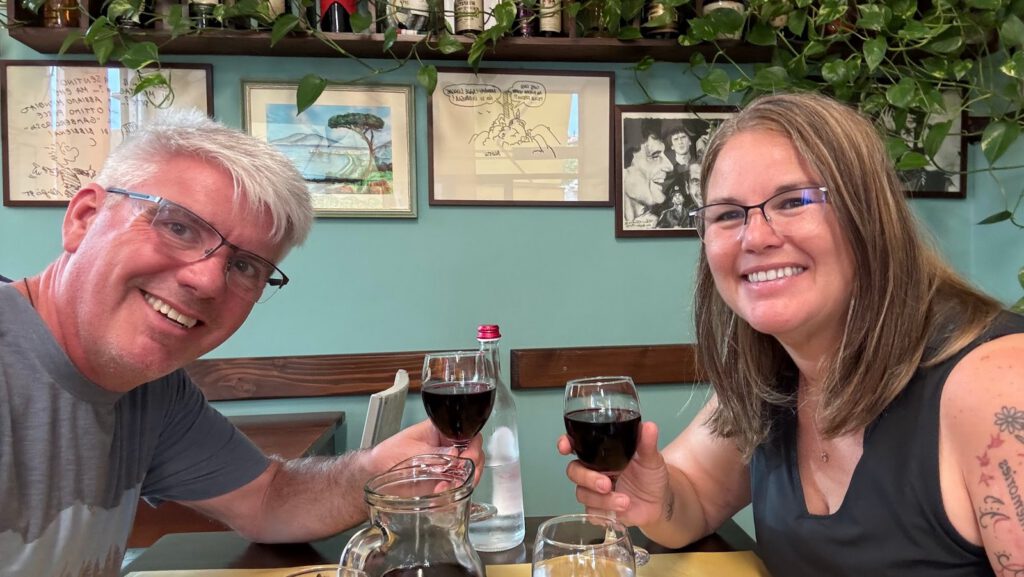
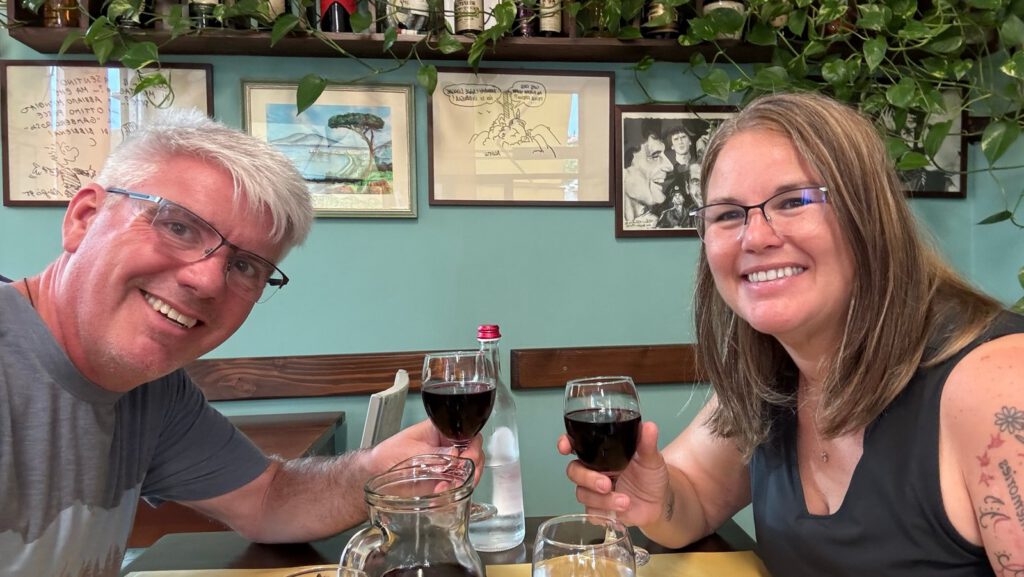
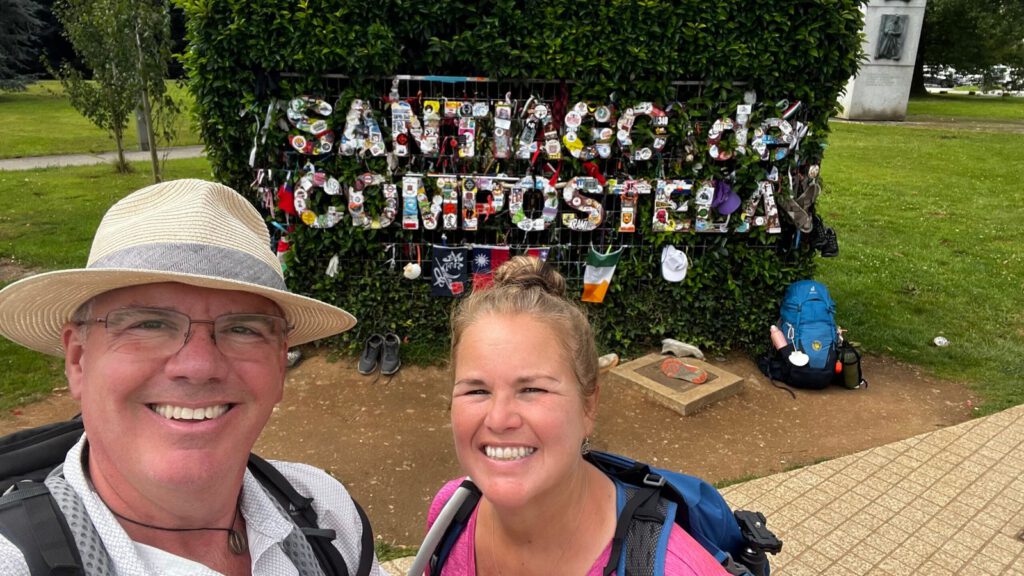
Cheers! Brian is wearing a Belong shirt, and I am wearing a Kühl dress

It doesn’t matter whether I am taking a backpack or a small suitcase; the goal is the same: I only pack lightweight, breathable, high-quality pieces that roll up small and don’t wrinkle, saving space for my favorite luxury items. We spent the summer of 2025 in Italy, Spain, and Portugal, walking the Way of St. Francis in Italy, leading a group on the Camino Frances in Spain, and spending time with friends in Portugal at the end of our two-month trip. During the summer, Brian and I carried two clothing brands: Kühl and Belong, which I will review for durability, breathability, and the style factor.

Brian is wearing a Belong shirt and shorts

Why did we choose these two brands? We have a local outfitter store, Base Camp Outdoors Co., that carries the Belong brand, which we had not previously heard of until we shopped in their store. We loved the look, and the clothes held up well in our pre-Europe tests. We’ve teamed up with our outfitter store to offer our readers a discount code, which is featured a bit later in the blog. Kühl reached out to us to review a few pieces of our choosing, which was perfect because we already loved the brand and had been wearing their clothing for years.

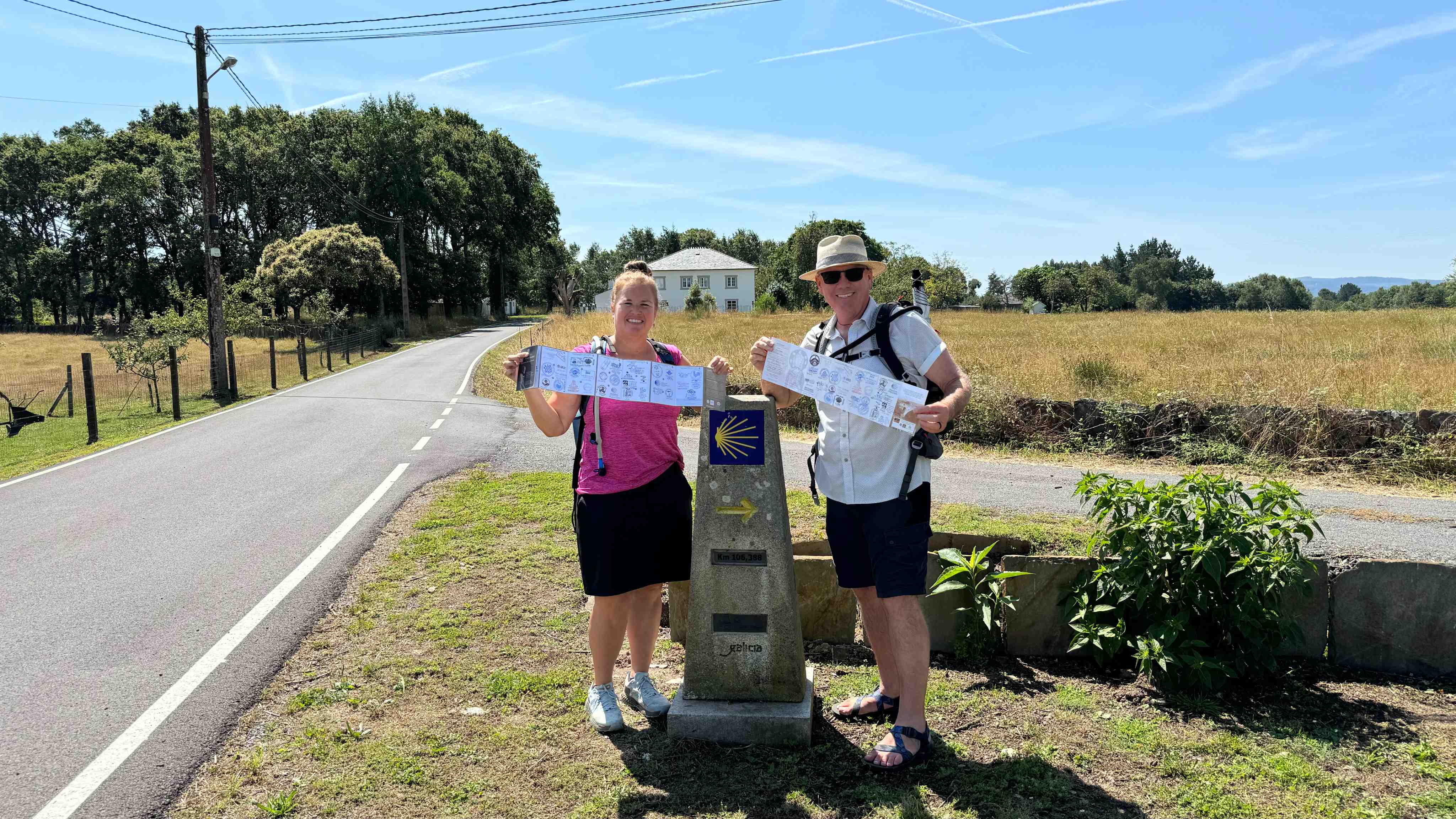
Wearing our Belong t-shirts and holding the Testimoniums we earned from walking the Way of St. Francis

Belong Designs
This is a smaller company based in Colorado with sustainability practices that we can stand behind. Brian had with him a pair of shorts, a t-shirt, and a button-down shirt. He loved wearing the shorts in the evening, to bed, and even hiked comfortably in them. The button-down shirt looked great when he dressed up for the evening, and he loved the breathability while hiking. We both took Belong t-shirts with us. The design on the t-shirt looked great and is nice for everyday wear; however, we both struggled with the breathability of the t-shirt when hiking. Though made of polyester and rayon, they acted more like a cotton t-shirt than a good tech shirt. They felt heavy and “sticky” when hiking. However, I cannot say enough about how much I love wearing our Belong t-shirts when we are not hiking. You can shop all of our favorite items at Base Camp Outdoors Co. Use “COLEMAN15” for 15% off your hiking gear.

I am wearing my Belong t-shirt and Kühl skort. Brian is wearing his Kühl shirt and zip-off shorts

Kühl Clothing
Kühl has been making clothing since 1983 and is based in Salt Lake City, Utah. We have been wearing their performance hiking pants for years. Brian has been wearing their button-down shirts for years, too. Speaking of Brian, pictured above, he took with him a non-tech material button-down shirt (Intriguer) and a pair of convertible hiking pants (Renegade). He owns a button-down Kühl shirt made of tech material, which he wore on our 2024 trip (photo below). He doesn’t like to wear the same shirt multiple years in a row because we are on camera so much. 

Brian is wearing his Kühl shirt in 2024

He absolutely loved his pants. However, it was so hot this summer that he only wore the legs of the pants one day. Haha! They were comfortable and hand-washed well. The non-tech shirt was great for off-days (non-hiking days) and evenings. They hand-washed easily and didn’t wrinkle. Both looked great on him! 

Wearing my Kühl dress

I swear I am the hard-to-please and hard-to-fit girl. Please tell me you can relate! I took a Kühl sleeveless Vantage dress and the Revivr skort. Everyone complimented me on the dress, pictured above. I didn’t feel as cute as I wanted to, but I struggle with the cute factor (no, I am not fishing for compliments, but I always appreciate them. Haha). The dress was about 1” too short for me, I am 5’6”, and I like my dresses to fall just above my knee. I know it looks like that in the photo, but due to the elastic waist, it rode up a bit. The one thing that surprised me about the dress, though it was probably in the description, was the built-in bra. It was a pain, and I always had to wear my own bra in addition to it. My favorite part of the dress was the pockets! Great job, Kühl!! Girls love pockets! 

The Revivr skort looked adorable! I loved how it fit and how it looked. It was a medium grey color, had great pockets, and a draw-string. The only thing I didn’t like about the skort was the “shorts” part of it. They were not fitted like cycling shorts, so they rode up more often than I want to admit. 

Summary:
We will continue to wear both brands, and now we have a better understanding of their limitations. Belong is an excellent brand with clothes that hand-wash well, look great all the time, and the t-shirts are best for non-hiking days. Kühl is also a great brand with clothes that hand-wash well and look great all the time. I wish they had a tall line of dresses. 

Would you like to travel with us? We will be taking two groups to walk the Camino next year. In June 2026, we are walking from Greccio to Rome, Italy. In July 2026, we are walking from Samos to Santiago de Compostela, Spain. Join us! More details can be found here.

Side note: I wish companies would make cute hiking shirts for curvy women with larger chests. I struggle with looking cute on and off the trail in the same clothes. Brian has it easier. If you have a favorite clothing brand that I need to check out, please comment below!

*Disclaimer: We paid for our Belong clothes, though the store offered us a discount. They didn’t ask for a blog and have no control over the content. Kühl sent us the clothes at no charge. They asked for a blog, but have no control over our content.

International Phone Plan vs. eSIM Cards when Traveling Abroad

When we started traveling abroad, international phone plans were outrageously expensive. It was frustrating because it was a little reminder reinforcing the myth that international travel is only for the rich.

We started out swapping our physical SIM cards for European ones, then we moved to eSIM cards but there were always problems with switching over to a European plan. First, unless your friends, family, and business associates know how to get a hold of you, you’re missing out because you will never know you missed those calls or texts. Then there were the loopholes cell phones companies added that your phone had to be paid off (not all companies but some).

Sure, it’s idealistic to say “I’m just going to unplug!” but not always realistic. We’ve been wanting to switch to something new, especially with leading groups, and it wasn’t until the night before we left for Europe on this 2025 trip did we pull the trigger.

Verizon (who is our phone carrier) has a new plan. However, I can’t verify how new. What I can say is even many of the people who work at Verizon didn’t understand the plan. It took three hours on chat and a follow up phone the next day to get this plan figured out.

I have heard T-Mobile has a free international plan, which speaks to how phone companies are making this more accessible. We were not interested in changing phone carriers at the moment.

However, for only $10 more a month from what we were currently paying, we now have an international calling plan. We have unlimited phone calls and text to/from the US from just about anywhere we would travel. We can call/text from within the same country we have traveled to. That is a downside because currently we are in Italy but cannot call Spain, for example. We can only call/text within Italy and back to the US. That’s a minor inconvenience. 

This plan is called the “Ultimate Unlimited” and with autopay it’s $80 monthly. We were on the plan one step down for $70 monthly. 

Here is the confusing part. Verizon has this “International Calling Plan” that is an additional $100 a month. It has all the same features of the Ultimate Unlimited but with a bit more data. I don’t even think I could call Spain while in Italy with this additional plan. We get 15 gigs of data and for an additional $100 a month you get 25 gigs of data. However, with both plans once you go over, they just slow your data down. There is WiFi everywhere. Travel is completely manageable with that much data unless you are here on business but that’s a different conversation.

But wait, there is one more “confusing” part. After three hours on live chat making this switch, Brian calls Spain from the US. We immediately get this text message:

It’s now the day we are leaving and I have to call Verizon. Fortunately the automated system recognizes I was on live chat last night and made changes to our plan so it moves me to the front of the queue and sends me to a more experienced person. Nice job, Verizon.

What we learned is the person who upgraded our plan needed to add the “Global Choice Plan” which is at no additional charge. Well that’s stupid, Verizon. But it’s part of what makes me think it’s a new change in the plan packages. Now we get this message when we land in a new country:

The message when I turned my phone on during our layover in France

So here we are, in Italy, sipping cocktails and remaining connected. Of course, connected when we want to be; we are on vacation for goodness sake. This is a no-mindless-scroll zone. We don’t want to miss the experience but we don’t want to miss the phone calls/texts from those at home either.

If this blog helped you decide what to do before you travel, give it a like and comment. That helps others see this blog post. My hope is it saves someone time and money.

Until next time, take adventures!

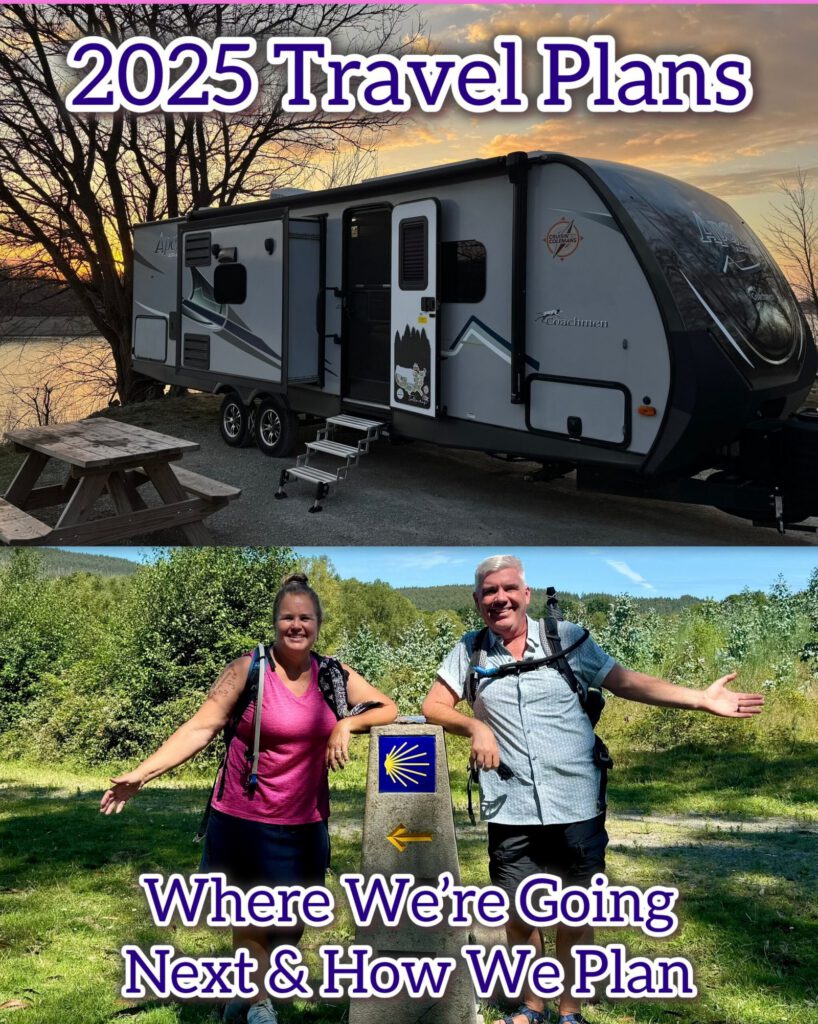
2025 Travel Plans – Where We Are Going Next & How We Plan

By this time of year (end of March), we usually have our travel plans finalized. We love to plan early because it helps us secure the campsites we want and assists with our budget planning. Most importantly, we enjoy planning throughout the school year. The school year is almost over, so it’s uncomfortable not to have our plans in place.

We didn’t know what we wanted to do or where to go; who knew there was a reason! But our travel plans are nearly finalized now! We have planned several RV trips in the Midwest, including one along the Bourbon Trail through Kentucky.

In June, we will walk the Way of St. Francis (La Via di Francesco) from Florence to Assisi. The trail continues to Rome; we are confident we will eventually complete it, just not this year. It will be a challenging walk with significant elevation gain, but we have hiked through Italy before, and the views are breathtaking!  

Photo credit: https://caminoist.org/st-francis-way/


Here’s a quick overview of how we start planning our trips.

What Can We Do
As we are both over 50, one of the biggest factors in deciding what to do and where to go is asking ourselves, “What can we do before our bodies will no longer allow us?” We are acutely aware that we are not getting any younger. I hope we have plenty of years ahead, but you never know where life will take you. We want to keep doing hard things, like hiking through Tuscany or climbing Machu Picchu, before it’s something we can’t do. 

Early Planning Stages
With plans in mind, the real fun begins: we love coming up with what we want to see and do. We start by watching YouTube videos, as it’s enjoyable to observe what others consider important about the area we plan to visit. These videos present genuine experiences, often unrefined, offering a true account of the experience.

Time to Budget
Regardless of where we want to travel, our budget constraints largely determine the destinations we choose. I wish we could live budget-free lives, but that will never happen during our travels. Haha! We begin by considering what we want to spend and then move on to what we need. We include lodging, food, airfare, excursions, potential side trips we may wish to add, and souvenirs. 

Dates and Routes
We look at the calendar and make sure we are making the smartest plans for the time we have to travel. It doesn’t make sense to travel all the way to Europe and spend the most amount of time. We always try to go over there for at least a month. There is so much to do and see in Europe, and your biggest expense is getting there.

Then, we consider which RV routes are sensible. If we have the time, we make plenty of stops along the way, meaning the actual destination isn’t very far. For instance, we don’t have much time for a long trip in June, so planning a Bourbon Trail trip through Kentucky is perfect for us. The destination is only a few hours away, and we’ll be staying at Harvest Hosts, so the stays will be free. If you are an RVer and not a member of Harvest Hosts, sign up here.

Creating a Spreadsheet
We love to create good spreadsheets. We have them for walking Caminos and RV trips with lots of stops. The spreadsheet includes where we are going, the miles/km to get there, what we want to do when we are there, our budget, etc. We are happy to share spreadsheets with you. Just drop us a message.

Trip planning doesn’t have to be a daunting task; in fact, it should be quite fun. It’s like a pre-vacation where your imagination can take you anywhere for free. If you need help, we LOVE to help people plan trips, drop us an email at cruisinwiththecolemans@gmail.com.

If you have any travel questions, send them our way! We love to help others. Who knows, you may inspire our next blog post. We hope you will follow our travels this year. We will highlight them on Facebook, Instagram, and YouTube, making reels and posting photos in real time as we travel.

Until next time – we hope your travels are fulfilling!

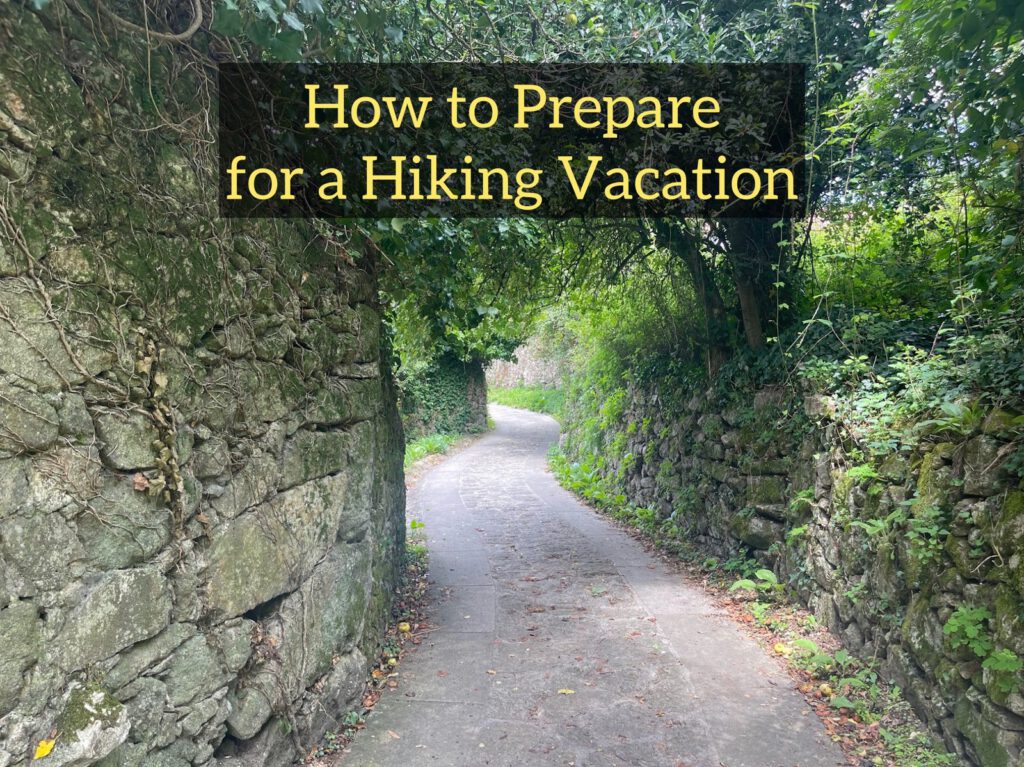
Preparing for a Hiking Vacation

When we think about vacations, we often imagine relaxation, sightseeing, and indulgence. However, when planning a hiking vacation, it’s essential to shift that mindset to one of preparation and training. Just as we wouldn’t head to an amusement park without some knowledge of the attractions, we shouldn’t embark on a hiking adventure without getting our bodies and minds ready for the journey ahead.

It’s amusing that no one “trains” for a vacation, even when they are headed to places like Disney World, where they’ll walk 6 to 10 miles a day, or Rome, Italy, where they may walk even further in a single day. We just don’t consider training for a traditional vacation. You know, because it’s a vacation; the place you go to relax and unwind.

But if we are planning a hiking vacation, we need to train. We must consider the gear we carry, what clothing to wear, and how to manage ourselves if a problem arises. When hiking, you might find yourself in the middle of nowhere. Do you have a plan? Do you have basic first aid knowledge? There are many considerations. I’m not addressing all of that today (maybe another day). Today, I’m focusing on training to be physically and emotionally prepared.

Understand the Terrain
First, get to know the trails you plan to hike. Research the elevation, terrain type, and estimated distance. Understanding what to expect will help you customize your training regimen. For example, hiking in the Rocky Mountains requires different training than trekking through the Appalachian foothills. A hiking trail like the Camino de Santiago is entirely different. On most routes of the Camino, there are villages every 3-4 miles, which provide a break, a snack, and a distraction that you won’t find on other trails.

“I love hiking, but I don’t love every minute of every hike.”

Building Physical Endurance
Any long-distance trek will challenge your physical abilities, and that shouldn’t scare you; it should excite you to push your limits. We often say, “I love hiking, but I don’t love every minute of every hike.” So why do we still love it even when we don’t enjoy every moment? Because during tough challenges on difficult days, things can be overwhelming; however, when you overcome something you once thought was impossible, the sense of achievement is incredibly rewarding.

  1. Start Walking. The best way to prepare for hiking is to start walking regularly. If you’re not already doing so, aim for at least 30 minutes of walking three to five times a week. Gradually increase the duration and intensity of your walks, aiming for longer distances over time. Set a manageable plan, one that feels attainable for you. This is not about being the fastest or best walker; it’s about improving what you can do today.
  2. Incorporate Hills. Explore local trails or spots with inclines. Walking uphill helps develop the leg strength and endurance necessary for hiking. Take your time on the hills; this isn’t a race. You’re only competing against yourself. If you don’t have hills where you live, then walk on a treadmill and slowly increase the incline.
  3. Cross-training. To boost overall fitness, consider exploring other forms of exercise. Activities such as cycling, swimming, or even strength training can improve your cardiovascular endurance and muscle strength, which are essential for navigating rugged trails. Yoga is excellent for enhancing flexibility, which your muscles will appreciate when they feel tired and tight after a long day of walking. We have a local yoga studio that offers a punch card for drop-ins, so you don’t need a membership.
  4. Practice with Gear. Don’t forget to train with the actual gear you plan to take on your trip. Get used to wearing your hiking boots or shoes, carrying your backpack, and using trekking poles. This way, you’ll break in your equipment and evaluate what adjustments might be necessary. Continue adding weight to your pack as you become comfortable, simulating the gear you’ll carry on your trip. Start with an empty pack, then add water, followed by a bit of clothing, and so on, until you have exactly what you will take on your trip. One thing we do to practice with our gear is add bags of rice to mimic gear and weight.

Mental Preparation
Hiking is not only a physical challenge but also a mental one. Some days, the trail can feel short and beautifully enjoyable, while other days may feel long and even tedious. To prepare yourself, set realistic expectations and establish mental goals for your hikes.

  1. Set Your Intention. Before I start walking, I like to set a daily intention: What do I want to think about today? What do I want to be thankful for today? What do I want to discuss with my partner or my higher power today? This intention helps me focus my mind when the day is long and gives my walk a greater purpose.
  2. Balance Your Mind. Include mindfulness or meditative practices in your training routine. Recognizing that hiking can sometimes be tough will help you stay calm and focused during challenging sections of the trail. While you’re on the trail, you’ll have plenty of time to lose yourself in your thoughts. Is that beneficial for you? Do you prefer music? Be ready for long periods of silence.
  3. Visualize Success. Spend time visualizing yourself completing your hike. Picture the stunning views, the sense of accomplishment at reaching the summit or the destination, and how to manage any physical challenges you might face. This practice can be a powerful motivator. 
  4. Learn Basic Navigation and Safety. Familiarize yourself with map reading and compass skills, or consider taking a wilderness first aid course. Being mentally prepared for emergencies boosts confidence and can make your hiking experience safer and more enjoyable.

Preparing for a hiking vacation is an investment in the great outdoors. It’s an investment in you—the health of your mind and body. By training both physically and mentally before you go, you’ll not only enhance your hiking experience but also ensure that you’re ready for any challenges that arise with confidence and resilience. Remember, it’s about enjoying the journey just as much as the destination. So lace up those hiking shoes, hit the trail right now, and let your adventure begin!

Have a question? Reach out to us! Make sure you subscribe to our newsletter so you know when new blog posts are published!

Do you like what you read today? Please give us a thumbs up, leave a comment, and share it with others!


What Do I Bring on Pilgrimage? Camino Packing List

It’s easy to overpack for a pilgrimage—believe me, I’ve learned from experience! On my first Camino, I carried way too much gear, and it was quite a burden, especially since I had to carry it all on my back. Fortunately, on our planned trips, you’ll have luggage service, so you won’t need to carry everything with you. Even with luggage service, this is not a trip of luxuries. We are on pilgrimage, so we are not carrying much “stuff” with us.

For the trips we lead on the Camino, each person is limited to one backpack or one small suitcase weighing no more than 15 kilograms or 33 pounds to manage the luggage for everyone. However, Brian and I take one suitcase (no more than 15 kilograms) between the two of us. We encourage everyone to pack light! Whether you have luggage service or not, having one backpack that weighs under 15 kilograms (the lighter, the better!) will help you, as it eases the burden of carrying your luggage day after day.

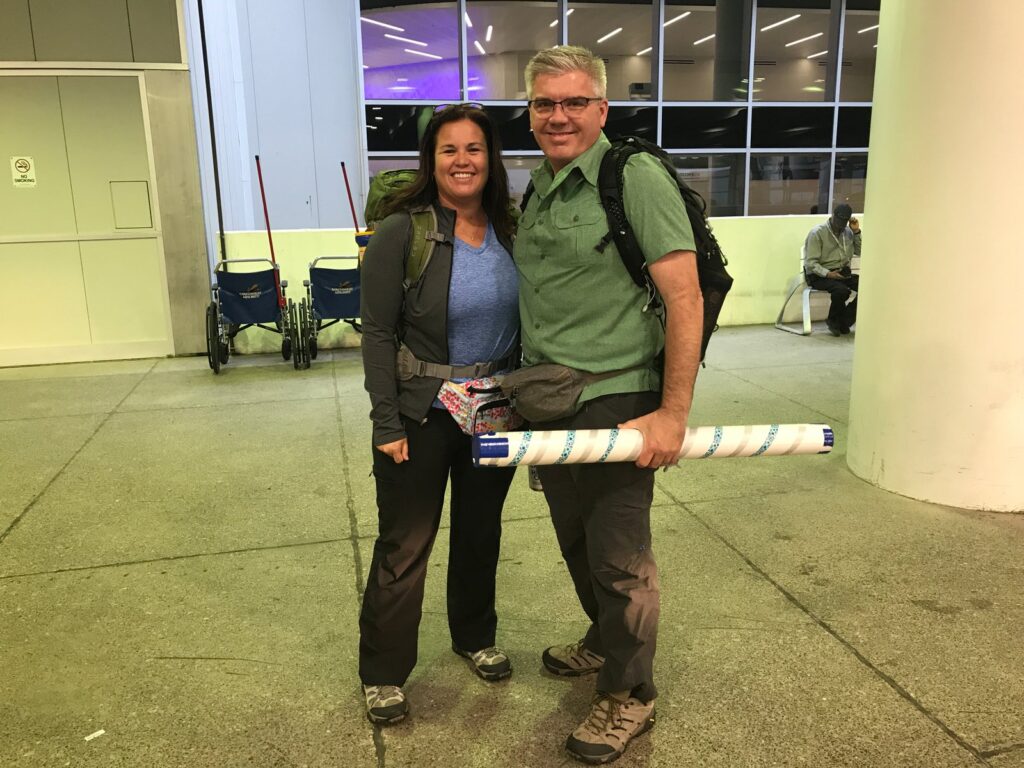
Our two backpacks from our 2019 Camino. This was everything we carried for 2 months in Europe

We believe in the principle of washing and wearing your clothes. What does this mean? It means you are either washing your clothes or wearing them. After hiking for the day, you should shower and wash your clothes. In the evening, you can wear hiking clothes for the next day. Any other clothes would be considered a luxury. You can have luxury items if you keep them in one backpack or suitcase under 15 kilograms (33 pounds). 

Ultimately, this is your trip. We will never tell you exactly what you “should” or “should not” take with you. This blog post offers suggestions and our perspective. Please feel free to use this information as you see fit.

This is our suggested packing list for any of our Camino trips.
Where there are differences between Brian and me, Michelle, we have identified them. These are just suggestions. You have to pack what you feel is best for you! Also, where we travel, you will be able to find what you need in local shops (band-aids, hiking poles, ibuprofen, etc)

  1. Toiletries: toothbrush, soap to wash clothes and body, shampoo, nail clippers, tweezers, comb, hair ties, etc. Some type of washcloth because they don’t use them as we do in the US. Here is the lightweight bag that I carry my toiletries.
  2. Sunscreen
  3. A bandana or something to wipe the sweat off your face. I use this towel as my sweat rag and my washcloth in the shower.
  4. Headlamp if you want to leave before sunrise to walk
  5. Clothesline: We use something like this, with safety pins to hold our clothes on the line
  6. A notebook or something like that for journaling
  7. Towel: When we take a group trip, the places we stay will provide towels. Some people like to have their own towels. This is Brian’s favorite towel, and this is my favorite towel. We carry a towel because sometimes we stay in places that don’t provide towels (outside of group experiences).
  8. European plug adaptor
  9. Portable backpack for evenings to get snacks or groceries or to take your laundry to the laundromat
  10. Sunglasses with UV protection
  11. Lightweight Sunglasses Case that clips on your pack.
  12. A hat: Here is what Brian likes to wear. I have worn my Nike hat but have no particular preferences.
  13. Merino wool lightweight socks are my favorite brand. I take two pairs, and I always have an extra pair in my daypack, so if my feet are sweating, I can change my socks. If your feet sweat a lot, I would suggest three pairs in case your socks don’t dry overnight.
  14. Some like sock liners to help prevent blisters. These are what I wear under my socks.
  15. Hiking shoes—this is quite a debatable conversation. Brian hikes in Chacos all day and wears Croc flip-flops in the evening. I hike in New Balance tennis shoes (a full size larger than my regular tennis shoes). I wear Chacos in the evenings and on shorter walking days. We have hiked for many years in other shoes, but this is what we have hiked in for more than three years. We can talk to you about all of the hiking shoe options, but it’s a decision you have to make.
  16. Some like a sun umbrella when they are hiking in the summer. This is our favorite brand because it’s super lightweight
  17. Lightweight underwear that fits well and has no lace that can rub and irritate the skin and will dry quickly—no cotton underwear! You just need two pairs—remember you are washing and wearing. These are the underwear that Brian wears, and this is the underwear I wear. We don’t buy expensive underwear; we just ensure it’s not cotton!
  18. Bras—ladies, that is up to you! Wear a sports bra during the day and a regular one at night; you decide. I can help if you need ideas. I hate sports bras. I have to pull them over my head because that is hard to do when you are hot and sweaty, so I love this sports bra.
  19. Lightweight jacket for cool evenings or early mornings. Remember, no cotton; this is the brand I prefer to wear.
  20. Rain jacket: You can make this your lightweight jacket if you want to save space. We love Marmot jackets
  21. T-shirts: Brian loves button-down shirts, and I prefer t-shirts. Either way, just make sure you are comfortable. Avoid wearing anything tight; you don’t want to feel self-conscious! Some people like tank tops. The problem with tank tops for hiking is (1) the rubbing from your daypack strap and your bare skin can become uncomfortable, and (2) many churches frown on those who don’t have their shoulders covered. You must have your shoulders covered in Italy to go into a church.
  22. Shawl: Some people like to have a nice shawl with them for cooler nights as a wrap or for churches.
  23. Pants: Brian likes zip-off pants (no more than two pairs). I like skorts and shorts
  24. Sleepwear: Brian sleeps in his underwear. I sleep in my evening dress or t-shirt and underwear. People on the Camino are not modest.
  25. Sleep liner: We travel on Camino in the summer; therefore, a light sleep liner is all we need when sheets are not provided. Sheets will be provided for our group travel experiences. Every albergue we have stayed at has blankets available. However, if you stay somewhere where sheets are not provided, this is our sleep liner.
  26. A swimsuit if you think you might be able to find a place with a swimming pool (on our trips, we always try to find a pool!)
  27. A swim cap. In Europe, people are required to wear a swim cap in most public pools (we have been required to purchase swim caps in some hotels but not all hotels). Brian loves this one because it’s comfortable. I love this one because it has room for all of my hair. It’s not waterproof, but it is comfortable, and that’s what I like about it.
  28. A fly swatter, you will thank me if it’s fly season!
  29. A sink stopper to wash your clothes in the sink. You would be shocked at how many people take or don’t provide a sink stopper.
  30. Some sort of stain remover pen. If you truly have a limited number of clothes, a stain-removing pen will be a blessing, so you don’t have to live with a stained item.
  31. Arnica Montana homeopathic medicine. Pills you put under your tongue that melt in your mouth. These pills help with muscle stiffness, cramping, bruising, and swelling. You can take these up to three times a day.
  32. Anti-chafing cream is a good thing to have if you have parts that rub. Haha!
  33. We always take a bit of Advil and muscle relaxers (non-drowsy script from the doctor).

In your daypack – If you are not carrying a backpack but rather a suitcase and daypacks, this is the daypack I use and the daypack Brian uses. You can carry something smaller, whatever you are most comfortable using. But ensure you have a way to cover your backpack if it rains. You should have the following at a minimum in your pack:

  1. Water bottles, a water bladder, or both. We both like carrying a water bladder to drink from while hiking. We also like a water bottle to make a drink with electrolytes or a flavored drink. Water bladders should only contain water to prevent mold or bacteria from forming.
  2. Water bladder cleaning tab. For a trip that is two weeks or less, you just need one tab to clean your bladder halfway through your trip
  3. Electrolytes. If you are feeling dehydrated, overheated, weak, or sluggish, drinking electrolytes will help. I love this brand of Salt Sticks for quick relief, and this brand for putting in my water bottle.
  4. Snacks. We find snacks in a local grocery store and only buy what we may want for the next day. This can be fruit, trail mix, chips, etc. Whatever makes you happy
  5. You should bring a few toiletries, such as tissues, toilet paper (yes, some places will have toilets without paper!), and maybe ibuprofen.
  6. You could also consider a small notebook if you like to journal with pen and paper or give your number to someone you meet along the way.
  7. Your cell phone charger, if you think you will need it during the day
  8. Your pilgrim shell should be attached to your daypack, as this identifies you as a pilgrim to other people
  9. Bring a fanny pack with your essentials. This includes your pilgrim’s passport (also called a credential), your US passport, and money for the day.
  10. A hat or a sun umbrella
  11. Some sort of stain remover pen. If you truly have a limited number of clothes, a stain-removing pen will be a blessing, so you don’t have to live with a stained item. Have one in your suitcase and one in your daypack unless you are using just a backpack.

AirTags: Be sure to place AirTags in everything from your suitcase to your daypack and even your fanny pack. It might seem like overkill, but you never know when you might misplace something, and you’ll be glad you have your AirTags!

You will find plenty of ATMs along the way. We carry a Charles Schwab card for our ATM transactions. CS reimburses your ATM charges, and there are no upcharges.

What type of SIM card do I need for my phone? We used to use Orange eSIM cards when we traveled abroad; however, we currently have an international Verizon cell plan. Choosing a phone plan involves several considerations. Contact us if you have questions about phone plans and traveling abroad.

If we have forgotten to include something on the list or if you have any questions, please let us know.

Thanks for reading! – Michelle

Did the Via Francigena Break the Bank? A Pilgrim Budget and How we Plan Pilgrimage

A budget for any vacation/holiday is a personal topic. It’s scary to allow others to see how we chose to spend our money. We risk judgment and ridicule. However, the benefits of sharing go back to the theme of all my blogs which is to share all parts of our Camino experiences despite what others think. I am an open book and will remain that way. You’re welcome. ❤️

We have walked 3 pilgrimages, the Camino Frances, Camino Portuguese, and the Via Francigena from Switzerland to Rome. We found it was the cheapest to walk the Camino Frances and the most expensive was the Via Francigena. If you want to see our YouTube videos on our latest walk, the Via Francigena, please click here.

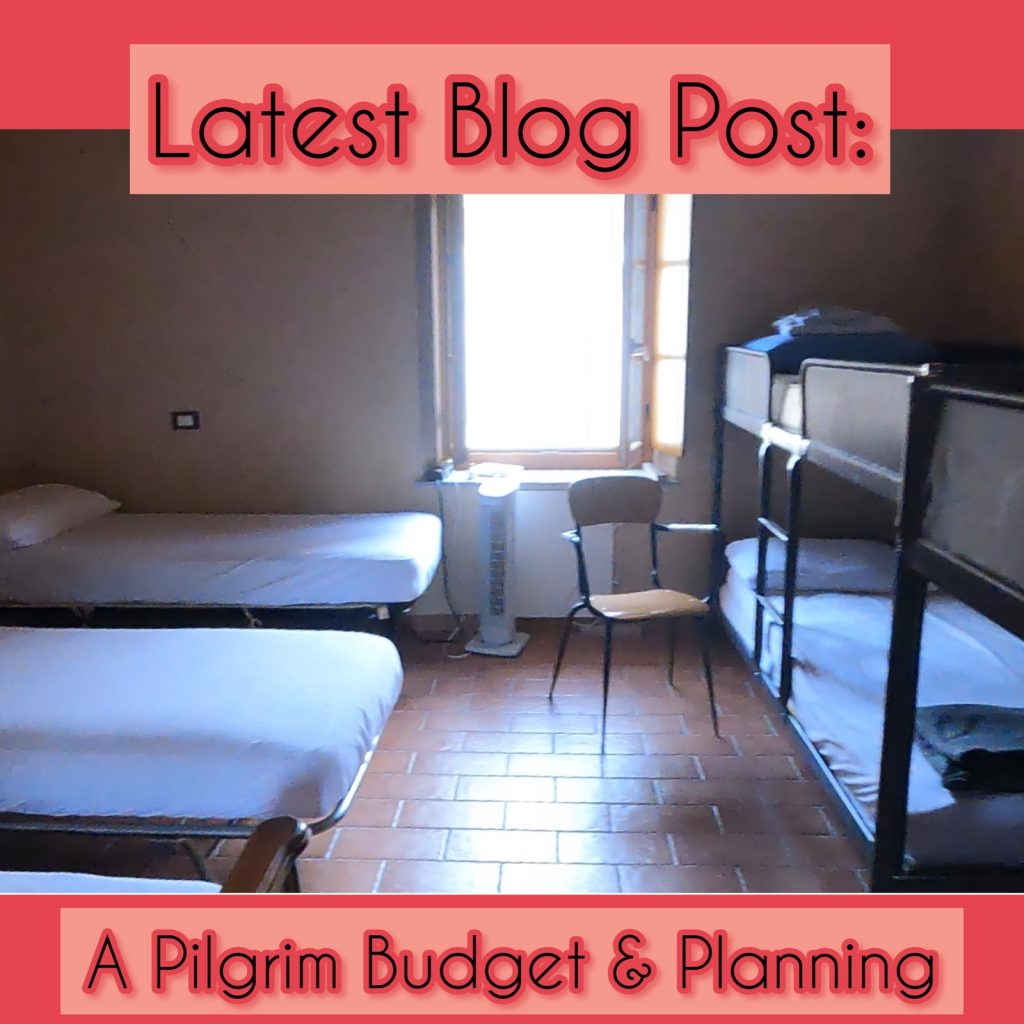
A typical bunkroom in Switzerland

With some exceptions, you can find lodging from as cheap as a donativo where you make a donation for a bed, typically in a shared bunk room, with a shared bathroom. Sometimes that accommodation has bedding but you usually need to bring your own. Occasionally your host will serve a communal dinner but it is expected that you would leave more money. A typical donation is anywhere from €10-20 per person.

On the Via Francigena, you can camp in many places if you have a tent but I don’t know much more than that because we have never made the decision to camp. I know it’s illegal to wild camp in Spain but I also have known those who do it from time to time. Again, not my area of expertise. 

The entrance of our donativo lodging in Cort St. Andrea

With all of the pilgrimages we have done, we use guidebooks. They include lodging suggestions ranging from a donativo, camping, churches, municipalities, and private lodgings. When creating our reservations we always start with the guidebooks and create a plan from there.

Speaking of a plan, that’s another factor – to plan your reservations ahead or not. Some people will reserve a night or two ahead, especially in the busy season. Some people will just wing it every day, letting their feet decide how far they will walk each day. Others, like us, plan out all of our reservations ahead of time. There is no right or wrong way to plan…or not. It’s up to you and your personal preference.

Why do we choose to plan every night in advance? It’s a great question, haha. I mean, what if there’s an injury? What if we just can’t walk that far? What if we meet people we really want to walk with but can’t because they are staying in different places? Life is full of “what ifs.” We have also experienced every one of those challenges.

On our Camino Portugues, I had a foot injury and we had to rent bikes for a few weeks to give my foot a break. This meant we didn’t bike very far every day because we had to stick to our lodging plan. We made a few changes along the way to have some longer days more suited for a bike but only with the refundable reservations.

We always have days when we just can’t walk as far as we planned. However, we aren’t purists so we are ok with grabbing a bus, train, or taxi. We have to walk during the hottest part of the year so there are always going to be challenges, heat or not honestly. Creating a plan works for us because we enjoy trip planning. We enjoy making a few decisions while walking a pilgrimage. We like looking forward to planned rest days in villages/cities we have developed an interest in during our planning. Finally, as a couple, it gives us one less thing to debate when we are hot, tired, and crabby. My philosophy is I can argue for free at home but when on vacation/holiday, I don’t want to argue. Haha! Plus, planning gives us something to think about when the school year is getting exhausting or the winter months are feeling long.

Knocking on the budget door!

But you came here for a budget talk. There are a lot of factors that go into a budget for anyone. We have a few basic expectations if possible: (1) A private room because it’s the summer when we are walking and it’s too hot to be in a room with others. Additionally, snoring and the noise of a shared room are not something we prefer. A good night’s sleep is critical. (2) A private bathroom is ideal but not required. A shared bathroom is ok from time to time if it saves us money but we really like a private bathroom. (3) We want shared experiences with other pilgrims so we look for accommodations for pilgrims with a communal dinner and then ask if they have private rooms. Many times they do if you ask early enough, as these tend to book up early. (4) Since we are walking in the heat of the summer we look for places with air conditioning from time to time and more often when we are experiencing excessive heat. These are the most expensive rooms but necessary for relief from the heat. I get terrible heat rash in the summer and only a cool night’s sleep brings me relief from it. (5) When we are booking a two-night stay we always look for a private room, with a private bathroom, with air conditioning. This is the ideal situation unless the air conditioning isn’t working but that’s another subject. 

The joys of a private room

I mentioned you can find rooms for €10-20 a person and in order to make our budget work we find rooms like this from time to time. Other rooms in accommodations for pilgrims can run us €35-50 total for both of us. A room from websites like Booking.com can run €50 to over €100, depending on the city. Of course, your bigger cities will have all types of accommodations for any budget.

For comparison, in 2017 on the Camino Frances, our budget averaged €50 a night but if we were to do it again we could do better to lower that budget. We didn’t stay in as many pilgrim accommodations as we could have then. We’ve learned a lot since 2017. Though with inflation, who knows for sure what our budget will be?

In 2019, on the Camino Portuguese, we walked the coastal route which is more expensive. Our budget averaged €65 a night. However, we struggled to find pilgrim accommodations on the coast. In retrospect, I think we could have done a better job and lowered that cost a bit.

In 2022, on the Via Francigena, we averaged €75 a night. Our cheapest nights were donativo’s at €20. We had a few pricey nights because we took rest days in Marina de Massa and on Lake Bolsena. But we have no regrets. This was our 15 wedding anniversary trip and our 50th birthday trip. It was all we dreamed about and more.

We didn’t spend money on laundry because we hand-washed our clothes every day. Our only other expense was the occasional pharmacy run for compeed or anti-inflammatory cream, food, and of course, wine.

Sometimes you just need Doritos and wine… in bed while your laundry is drying 😆

A food budget is extremely subjective. There is no way we can compare food budgets and be helpful. First, I am married to a foodie so getting him to pull back on trying every new dish is impossible. Second, we are wine lovers so there has to be a wine budget. And why not, it’s Italy!

We saved food money by utilizing any free breakfast food offered even if it didn’t appeal to us. We packed them as snacks or enjoyed them immediately. We limited our espresso budget and only enjoyed a good cappuccino from time to time, sorry we aren’t coffee lovers. We would grab food in a market whenever possible. But our love of cocktails, wine, and outstanding dinners made our budget a bit bigger. We spent about €75 a day on food.

As the CFO of our family, my goal is to stay within our budget and never have credit card debt. We want to retire debt-free and retirement gets closer every year. We did what we set out to do. Are we more cash-poor because of it? Yes! But the memories are priceless and you can’t take it with you! ❤️

Our trips may look extravagant to some but when you’re on pilgrimage there are no souvenirs. We took a long walk to Rome and enjoyed every step, even the rough ones. 

It’s All About Gear: What We Take on Pilgrimage

Gear – Gear – Gear! Let’s talk gear. It’s not my favorite subject to write about but I love to read what others carry in their backpacks, so alas, I need to talk about it too! Haha!

Skip to the end for the list of items and links!

Watch the video on YouTube to see what we’re talking about!

I don’t like talking about it because everyone seems to be an expert. I am not an expert, nor are most people. Though we have had quite a bit of experience at finessing the gear we carry on any trail. We have been day hiking for 15 years, we have backpacked on the Appalachian Trail and other trails, and this is our 3 pilgrimage. We each have some pieces of gear that work superbly and we continue to use, we have some pieces of gear that are right for some types of trails but not others, then we have gear that continues to change as our needs change and the gear improves.

A pilgrim statue on the Via Francigena. He looks like his pack is too heavy or his day has been too long

My backpack is 38 liters. This is my second pilgrimage with it. On our first pilgrimage, I carried a 48 liter pack and it was too big. This one works perfectly for me. Brian carries a 48 liter pack and it’s his third pilgrimage with it. He has never used the brain of the pack so it’s obviously a bit lighter weight/less storage. He loves his pack. Unfortunately it is starting to really show it’s age so he may need to reach out to Osprey before our next trek. While walking on this type of pilgrimage, these are the backpacks we carry but these packs are also great for a 2-4 day backpacking trip.

While walking our 3rd pilgrimage, now on the Via Francigena, I feel like my gear is pretty spot on. I have a few things I would change, but overall, after walking 30 of our 50 days, my pack feels pretty darn good. When it comes to Brian’s pack, well, I think he carries too much but he’s happy so I’m happy. See, everyone has an opinion about gear. However, I think that’s where others should leave their opinions. If you have not gathered yet, people seriously love to analyze gear in every hiking/walking circle we are a part of. It’s an exhausting topic. If someone is happy, let them be, that’s my philosophy. If you want to read about what we carry and a bit of why with pros/cons, continue reading. If you want a summary of what we are carrying now with links to our gear, skip to the end. You can also view our gear and hear us talk about it on our YouTube video.

We are just over halfway through this pilgrimage and it was time to give even the backpack a bath. Ewww…

When it comes to clothes, we are minimalistic. We have one outfit we are wearing and one outfit being hand washed and hanging on a line to dry. Brian does carry one extra shirt that’s a t-shirt. It’s a shirt we can both wear if needed, he likes the back up. I know we going shopping when we get to Rome, so it doesn’t bother us at all to wear the same two outfits. Our clothes are made of tech gear which drys fast, wicks away moisture, and is lightweight.

My pants are from REI. They roll up into capris, they stretch, and the waistband adjusts as (hopefully) I get a bit smaller while backpacking. I love pants because sometimes it’s cool in the evenings, I can hike in them, they are great for churches that require my knees being covered, and they are lightweight. By the way, we are surrounded by the most amazing food, I doubt I am getting smaller. Oh well!

I also have a pair of skorts from Tail which is a golf brand. This is new for me on this Camino. In the past, I have worn leggings and legging shorts. I actually really love my Tail skort. There are lots of options for skorts in the hiking gear world. My challenge was (1) I am a bigger girl and I like my skorts a bit longer and (2) I wanted something that was cute. They are a bit heavier with the thick waistband but it’s actually worked perfectly as a layer between me, my fanny pack, and my backpack. I did have the back pockets removed and sewn closed because they had front pockets and that saved a bit of weight. A big win all around. 

My shirts are also a Tail brand and I love them! I have one that is sleeveless and one that is short sleeves. They are made of polyester and spandex. They wash and dry fast, don’t wrinkle, and I like how they look. That’s a trifecta if you ask me! Brian wears button up shirts from Eddie Bauer and Columbia. He loves the button up shirt but hasn’t been thrilled with the patterns. It’s hard to find something you will still like wearing after 50 days!

Top photo: Via Francigena in 2022; Bottom photo: Camino Frances in 2017

Brian wears two shorts, one is a pair of zip off pants and the other is shorts. Both have big pockets, made of tech gear, and he loves them. One pair is from Eddie Bauer and the other he found on Amazon. There is a summary with links to below.

Undergarments are the same, wash and wear. The first two pilgrimages I wore sports bras that had to be put on over the head, it was awful because I was often so sweaty and sticky from the heat, they rolled up. A bra should not be a two person job. Now I wear a Under Armour zip up sports bra and a regular underwire in the evenings. I like the balance of the two. Sports bras are the most comfortable to wear all day and all night, for me. I wear basic Bali underwear, Brian wears Jockey. They have worked for us for many years. For both of us, our underwear dries the fastest of everything. TMI but important for hikers: I like hiking with panty liners because I think they help with freshness.

When it comes to socks, Brian doesn’t wear any because he hikes in Chacos. I have tried all the different socks from very expensive to the opposite. I have worn double layer socks, toe socks, thin running socks with vaseline to prevent friction, and compression socks. This year I have wool socks and I absolutely love them. I have had one small blister and it was not a big deal to manage. The wool socks take a bit longer to dry but it has not been an issue.

The only other clothing gear we have is our Marmot rain coats. They double as our only long sleeve layer since we sent ahead a few things, I will summarize those items shortly. The rain coats have zippers under the arms for ventilation. They are lightweight and fold up in their own pocket. Some people like ponchos but we prefer rain coats because we can wear them with or without our backpacks. We have rain covers for our packs and that works well.

Since we are spending the summer walking into the sun we decided to bring hats and sun umbrellas (weighing in at only 6.8 oz each). The umbrellas were great when we were walking in heavy rain, even hail one day. We have used them on extremely hot, sunny days when there is no breeze. They don’t work well with a breeze because it stops the air flow. They also don’t work well if you are walking up a steep hill because they limit your view from that angle. I am not sure I would bring it again but it definitely has helped some.

After clothes, we have toiletries. We picked up both of our toiletry kits from REI before our first Camino and we are still using them. Mine unzips, unfolds, and can hang up. Brian has an expandable zippered bag. They are very lightweight, a couple of ounces at best. We share what we can (toothpaste, shaving cream, comb) and carry medium to small bottles where we can’t/won’t share (shampoo, conditioner, soap, toothbrushes, razors, hair ties). See our video for more on that topic.

Most important piece of gear – your shoes!

Shoes are another hot topic. Before this pilgrimage, I desperately wanted to change my shoes out to something lighter weight. Over a year of preparing for this trip, I tried out at least 40 pairs of “these are perfect for me” shoes upon the advice of other hikers. This is where “everyone is different” comes in. I wish I could have a pair of hiking shoes designed for my feet but until that day comes, I will stick with the shoes that have worked. I wear a pair of Merrell’s (link below). For Brian, this is his third pilgrimage hiking in just Chaco’s. He manages cracked heels with vaseline or lotion and a foot scrubber. He hasn’t had any issues and loves hiking in them. 

When it comes to other things we carry, this is all about personal needs and preferences. I carry salt sticks because we are hiking in extreme heat most days, packets to add to our water that have electrolytes, and a small bottle of Advil/Aleve. Brian carries a couple of energy bars for an emergency and electrolyte drops. We both carry our own vitamins and medications. I also carry muscle relaxers for the tough days. We each use hiking poles and wouldn’t backpack with them.

We weren’t planning to tent camp, though you can and many do on this trail. Therefore, we didn’t bring a tent or sleeping bags. However, because of some of the ostellos/albergues/hostels we’re staying in, we needed something for the bed so we carry silk liners. They are perfect for the summer and lightweight. We each carry a lightweight towel because they are not provided in many of our accommodations. We have a small one for our wiping sweat all day, that I also use as a washcloth, and a larger one for drying. The towels we are carrying this time are different than before and we are happy with them.

Before I talk about our blogging/YouTube gear, I need to tell you about the gear we sent on to Rome. When we started this hike, we knew we wanted a few extra things for the cold/cooler weather of Switzerland. When that was over, and the roaring heat wave started, we needed to lighten our packs. Brian gave away his long sleeve shirt and gloves. He shipped ahead a fleece, ear plugs, eye cover, socks, and the legs to his pants. I shipped ahead my leggings, lightweight zip up jacket, eye cover, ear plugs, compression socks, and the vitamins I won’t need until we get to Rome. We used DHL and shipped our box to our accommodation in Rome with their permission. It was relatively easy but we did have the help of a local because you need a VAT number. We can apply for one but we didn’t have that time and we appreciate a local helping us out. When we get to Rome, we will buy suitcases for our shopping spree! Haha!

Finally, there is the gear we need so we can bring you all of this outstanding reporting from the trail. I am minimalistic, again. My phone case has a stand and I carry a portable Bluetooth keyboard. It’s a life saver to my fingers! Brian doesn’t carry much compared to many YouTubers. If you are watching our videos, you see his hiking poles with the phone on one and the GoPro on the other. He also carries an iPad, stand, a portable keyboard, and a small tripod that doubles as a selfie stick.

In 2019 we started our YouTube channel while walking the Camino Frances and Camino Portuguese. Brian only worked from his iPhone and wasn’t happy at all. I barely blogged because I hated not having a keyboard. For 2022, we are both thrilled with what we are carrying.

When we left the states, our backpacks were a bit heavier than we wanted but we knew (1) things like energy packets, electrolytes, and vitamins would lighten the load as they were consumed and (2) we hoped to ship ahead what we weren’t using. Without water, my backpack weighed 18 pounds and Brian’s weighed 22 pounds. I think each of our backpacks are down another 1 ½ to 2 pounds now. The only time my pack is heavy is at the start of a day when I need to carry more than 1 ½ liters of water. Fortunately, that doesn’t happen too often.

I hope you found this blog helpful when it comes to gear on a pilgrimage. Like I said at the start, it’s really about personal preference but I know the experiences of others helps to make good decisions about what you will carry. Here is a summary with links to where we got it.

Michelle’s Backpack

Brian’s Backpack

Reflections After a Long Distance Hike – 3 Changes for Next Time

Why did I bring that, why didn’t I pack a …, why didn’t I put things away differently. Let’s do this again! Haha

The analyzing of all of our gear began on the first day of walking and before the weekend is over we will have resupplied. Gear has been our top conversation this week from undergarments, to camera gear, to shoes, and everything in between. We knew it would be the top conversation but we didn’t know how intensely we would scrutinize our gear.

I’m sure it’s because we have the ability and time to make changes before we backpack the Via Francigena from Switzerland to Rome this summer. We know our hike will be more comfortable if we change out some of our gear for we go.

First change: Why in the world did I bring pajamas? I brought them because I thought I would wear them in the evenings and I would wear them to bed. However, to save weight (the ultimate goal), I should have just worn the extra outfit I brought. I should take the clothes I’m wearing, the clothes I wear when I’m washing the one outfit, an extra layer for rain/warmth, and that’s it. It was an amateur move on my part. Bottom line: Everything should serve multiple purposes.

Second change: Headwear options. I have 2 buffs, 2 bandannas, a couple rubber bands, and hair clips. Why? Oh my gosh, another amateur move on my part. One bandana will be great and one buff. I need a bandana for wiping sweat off my face throughout the day and a buff to keep my hair back when I want it down. However, I think I’m going to bring a microfiber cloth instead of a bandana that will serve as my washcloth for showers and wiping my face during the day. Again, saving weight and ensuring everything serves multiple purposes.

Third change: Shoes again. Through no fault of my own, this is still an issue for me. I have one foot that swells up a lot due to past injuries. I have tried almost 20 pairs of shoes and they all have one issue or another. For me, the Merrell Moab Vented shoes work best. When you’re long distance hiking you should wear shoes that are 1/2 to 1 full size larger because your feet will swell, I have tried both but I am still having blisters on my injured foot because of how much it swells. I think I am going to try a wide shoe to give my toes more wiggle room. I’m also trying a different compression sock for swelling. I may even end up wearing two different size shoes. Whatever makes my feet the most comfortable. We have 55 days until we leave so I pray I get this worked out. Walking with blisters, though we know how to treat them, is no fun.

Tending to my injured foot was a daily ritual

We’ll continue to make mistakes but I’m thankful for this training week. We haven’t done a long distance backpacking trip since the summer of 2019. You forget how heavy the pack feels at the end of the day. We needed that reminder so every item we bring is intentional and as light as possible. It’s not just what we bring but where we put it. The ibuprofen doesn’t do us any good deep in the backpack during the day when we need it, but it’s perfect in an easy to access part of the pack. Life lessons right there. 😆

Backpacking is a lesson in owning what you need, having it where you need it when you need it, and clutter will always weigh you down. That’s all I have for now. I’m going to kick my feet up and rest for a bit. Have questions? Comment below.

Visit America’s National Parks like a Pro. Ten Tips that will help you in any Park.

As we have visited so many popular National Parks over the years, we’ve noticed a few common tricks that will have you touring any National Park like a pro. They are in no particular order.

Avoid Peak Season

As teachers we generally have four times a year that we can travel, Thanksgiving Week, Christmas Break, Spring Break, and Summer Vacation. Those are of course the most common times for every family with kids to travel too and therefore the National Park system is at its most crowded. Yellowstone has double the number of visitors during June, July, and August than the rest of the year combined. Labor Day and Memorial Day weekends are the busiest in any park, state parks included. If you are lucky enough to avoid those times, we highly recommend it. Many parks have special restrictions in place during peak times, such as closing roads to private vehicles and utilizing shuttle systems. This actually may be to your advantage but we have waited in long lines at the end of the day to get back out of the park, which leads us to…

Close to record high heat in Death Valley

Start Early

During peak summer days in the parks out West such as Zion or the Grand Canyon, the days get hot and temperatures can often top 100º. In Eastern and Southern parks, temps may not be as hot but if you’ve ever hiked in 90% humidity you know that it might even be worse than the dry heat of Zion. By entering the park in the 6 or 7 AM hour, not only do we beat the heat, but also the crowds.

Sunrise Point in Bryce Canyon, 6:20 AM. A 13 mile hike followed.

Visit Midweek

If you have to visit during peak seasons, try to plan your park time for midweek. While still busy, some parks estimate that as many as 40% of all park visitors enter on the two days of the weekend. The more remote the park, the less fluctuation there is between weekdays and weekends, but in parks close to major cities such as the Great Smoky Mountains or Olympic, weekends can be crazy.

Waiting to enter Yosemite. Some mornings this line takes an hour or more.

Get Out of the Parking Lot

Getting out of the parking lot may sound obvious, but only 3.5% of the 11.3 million visitors to the Great Smoky Mountains in 2016 walked more than 1 mile from parking lot. With more than 800 miles of trails, you don’t have to walk far to get away from a crowd, even on a busy day. The numbers vary for other parks, but the trend is the same, most people drive in, stop for a scenic view, and keep moving.

Weather can change quickly. At the start of this hike, light jackets were fine but by our lunch break we needed more.

Attend a Ranger Program

Other than nature itself, the National Park Service Rangers are the greatest resource in the Park system. Only 5% of Grand Canyon visitors attended a range program 2013. In most parks, topics may include wildlife, stargazing, photography, history, and more. Depending on the park, Rangers also lead hikes, trail rides, boat tours, and even backpacking adventures. Even if you don’t attend a program, if you are lucky enough to run into a ranger in the park, stop and talk to them. They can always answer questions, recommend activities, or give advice. Many have been stationed at other parks too so ask about their favorites.

Park Rangers are also great at getting that perfect shot in Mesa Verde National Park.

Visit the Gateway Cities and Support the Local Economy

Almost every National Park has at least one gateway city to visit. With restaurants, hotels, and shopping, these towns not only provide you with the things that will make your trip memorable, but they are the backbone of the local economy. Plus talking to the locals is a great way to find out about off the beaten path spots in the park. We would have never visited the out of the way Twin Arch in the Northern segment of Zion had it not been for the recommendation of a local at a restaurant in Springdale. As a result, on a busy summer weekend, we took a full day hike and only ran into a few other hiking parties along the Twin Arch trail.

Moonshine tastings are one of the most popular activities in the Smoky Mountains gateway city of Gatlinburg, TN.

Visit the Lodge

Many national parks have historic visitor centers or lodges that are an attraction unto themselves. National Park lodges offer more than grand views, most feature gourmet food, extra access, and luxurious interiors. El Tovar opened in 1905 as a Harvey House and has been named a National Landmark. The Crater Lake Lodge may be missing the amenities of telephones and TVs in the rooms but the views of the deepest lake in the US more than make up for it. The LeConte Lodge in the Great Smokies lacks electricity and plumbing but after a 5-8 mile hike (depending on the route you choose), the group dinner and sunset over the mountains are all the entertainment you need (but there are board games available in the public rooms. The list of amazing sites goes on and on so even if you don’t spend the night, stop by for a meal, snack, or drink.

Chef driven meal of locally sourced foods at the Mesa Verde National Park Lodge. Top: Queso with corn, black beans, and green chiles; Bottom left: Chicken stuffed with cheese and green chiles, chili mashed potatoes, and poblano cream sauce; Bottom right: Duck with prickly pear jelly, chili mashed potatoes, and grilled veggies. Plus a bottle of Colorado Syrah.

Be Prepared

Do a little research before you go to know what to expect when you’re visiting. All parks now have great websites that list recommended activities, hours, best times to visit, and more. Once you arrive, go to a visitor’s center and pick up a park guide, talk to the rangers, and make a plan to best enjoy the park. If you are planning to hike or participate in other strenuous activities, have appropriate footwear and clothing layers, bring plenty of water and snacks, sunscreen and bug spray, and any other required equipment. If you’re lucky, being unprepared can make for simply an unpleasant experience, but there are dozens of stories where being unprepared resulted in a deadly adventure. If you have any doubts about your abilities on any park experience, opt for safety, ask for advice, and don’t plan more than everyone in your party can handle.

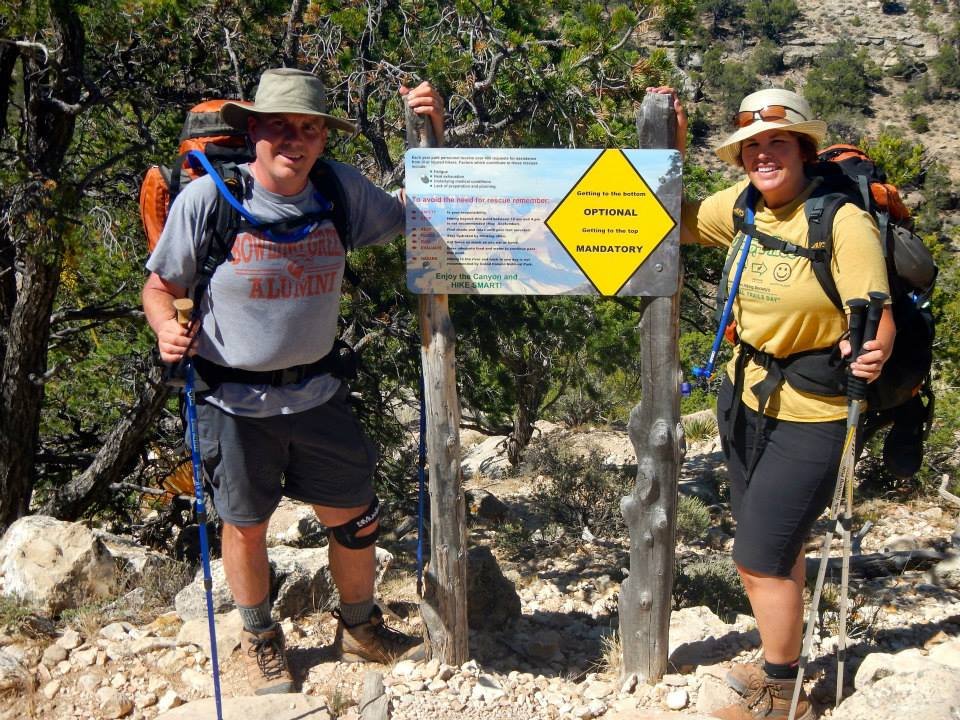
We had to abort a backpacking trip to the bottom of the Grand Canyon because Michelle had a heat stroke. Climbing down is optional, climbing back out is mandatory.

Leave No Trace

Don’t be the person who ruins the park for future visitors. Leave No Trace is a set of guiding principals that anyone who experiences the outdoors should follow. From the national organization’s website, the Seven Principles are:

  • Plan Ahead and Prepare
  • Travel and Camp on Durable Surfaces
  • Dispose of Waste Properly
  • Leave What You Find
  • Minimize Campfire Impacts 
  • Respect Wildlife
  • Be Considerate of Other Visitors
Camping in the pristine wilderness of Olympic National Park. It’s our responsibility to keep it that way.

Don’t Rush

Few National Parks can truly be enjoyed in less than a few days. Planning for a longer stay will deepen not only your appreciation for the nature around you, but allow you to take in everything that a region has to offer. Stop. Look, Listen. Smell, Hug a tree. Lay on the ground and watch the stars or the clouds. Wait for an animal to appear. America’s Best Idea is here for all of us to enjoy, what are you waiting for?

We awoke one morning to this elk eating breakfast over our tent in the Grand Canyon Village campground.

Where is your favorite National Park? Leave us a comment below and make sure you subscribe to see our new content each week.

The 5 Best National Parks and Why You Should Visit Them This Summer

Since the establishment of the first National Park at Yellowstone National Park in 1872 more than 1200 National Parks have been established around the world in more than 100 different countries. “America’s best idea” is certainly a great idea for your travel destinations and Michelle and I have made one of our travel goals to visit each of the U.S. National Parks.

The National Park Service (NPS) manages 418 individual “units” but not all of them are National Parks. They include battlefields, memorials, historic sites, lakeshores, and more. Currently, there are 60 National parks and we have visited 24 of them plus numerous other sites managed by the NPS. So here are, in no particular order, our top five National Parks.

Great Smoky Mountain National Park

No, the name of the park is not spelled wrong! Though there is great debate in some circles on the spelling of the name, no one can deny that Great Smoky Mountain National Park is a magical place. For us, it is only a five and a half hour drive to the gateway city of Gatlinburg, so the Smokies are an idea long weekend getaway.

One of the many waterfalls along hiking trails within the park.

The area has something for everyone! There is phenomenal hiking anywhere you go in the park, from “scenic overlooks” that usually include a short trail to technical and advanced trails that take all day, anyone can find a trail that will challenge and delight. For backpackers, there are dozens of backcountry campsites accessible on one night or longers trips. And don’t forget the AT! The 2200 mile Appalachian Trail runs for 71 miles along the Tennesse North Carolina border through the middle of the park. Other highlights in the park include Clingmans Dome, an observation tower at the highest point in the park, biking or horseback riding in Cades Cove, nature drives along numerous routes, and wonderful campgrounds spread throughout the park.

Another draw for many families are the gateway cities into the Smokies. Gatlinburg, Pigeon Forge, Sevierville, and Townsend in Tennesee and Ashville and Cherokee in North Carolina are tourist destinations by themselves and some people never leave town (though that’s quite a shame)! From moonshine and wine tastings to shopping, casinos, and zip lining, the region has something for everyone year round.


Acadia National Park

Acadia National Park is simply put one of the most beautiful places that we have ever visited. Every view looks like it should be on the cover of a calendar. The trails are abundant with more than 150 miles stretching along the coast, up mountains, and through pristine forests. There are bike and boat tours available and you can be the first person in the US to see the sun each morning from the top of Cadillac Mountain, the highest point along the North Atlantic Coast.

You can reach the top of Cadillac Mountain by trail or car, but get there early, most mornings there are hundreds of visitors watching the sunrise.

From the quaint town of Bar Harbor, Maine, you can book sea kayak tours, stroll the quiet streets, and eat and sleep in places that look as if they haven’t changed much in the last fifty years (that’s a good thing, really). We only spent a few days in Acadia back in 2010, but it is at the top of our list for a return visit the next time we tour the East Coast.

The view overlooking “the bowl” on Champlain Mountain.

Zion National Park

It’s time to head west where the parks sprawl across deserts, prairies, and mountains. While many people are quick to sing the praises of the Grand Canyon (and it is spectacular), we would direct you to another giant hole in the ground – Zion National Park. Utah’s first National Park is one of it’s most magnificent!

The main canyon has two entrances, one from the city if Springdale and the other through the Mount Carmel tunnel.

Zion’s fifteen-mile long canyon sinks into the plateau to a depth of almost 2600 feet (only a third of the depth of the Grand Canyon) but because of its relatively small size you are always up close and personal with the canyon walls and the views are breath-taking!

The view of the canyon from the top of Angel’s Landing.

The top attraction at Zion is the hiking and these trails are not for the faint of heart. With summertime temperatures often topping 100º, hikers start early. The biggest advantage here is that most trails climb from the canyon floor, meaning you can go as far as you like and then turn back for the “easier” descent back to the road (as opposed to having to climb out of the Grand once you’ve already reached exhaustion). Trails range from moderate to insane with the most extreme hike being to the top of Angel’s Landing, a file mile out and back that climbs nearly 1500 feet straight up a rock that juts from the canyon wall. The trail is only a few feet wide in some spots with sheer drops on both sides and only a chain to hold on to for two-way traffic.

Angel’s Landing’s chains are not for the timid.

Another popular hike is the Narrows. The Virgin River becomes the trail as hikers squeeze through slots in the canyon, climbing waterfalls, and sometimes swimming through deeper segments. The effort is worth it in spots such as Wall Street where the canyon narrows to 20 feet wide and 2000 feet deep.

The Narrows is a popular hike in the summer heat.

The gateway city of Springdale has a Bohemian artist vibe with wonderful shops, restaurants, and much-needed air conditioning.


Glacier National Park

Heading north, we have to send you to Glacier National Park in Northern Montana. Camping, hiking, boating, cross-country skiing, and biking are just some of the popular activities in this inspiring park that shares a border with Canada’s Waterton Lakes National Park.

One of the trails in the Logan’s Pass area of the park.

Driving along Going to the Sun Road is a popular activity and the views are wonderful. Get out along many viewpoints and take a short walk along one of the many trails and you are sure to see wildlife. The lodges throughout the park are historic and an attraction alone.

We witnessed moose, bighorn sheep, mountain goats, bears, and marmots along the many trails we hiked.

Don’t forget to make a trek out to see the dwindling glaciers. Some scientists’ estimate that all of the glaciers in the park may be completely melted within the next ten years, so don’t wait!


Yosemite National Park

Rounding out our list is Yosemite National Park in Central California. Best known for its many waterfalls, Yosemite is a sight to behold. With more than 1200 square miles, this park is remote and anyplace in the park that you choose to visit is going to be a drive, but what a drive it will be!

Spectacular view of Yosemite Valley

Hiking is the main attraction here but rock climbing is also a very popular sport. On any search of a granite wall, you will likely find a tiny speck of a rock climber working his or her way up the rock face. This place is huge in its scale and awe-inspiring at every turn.

Plan ahead because some popular hikes, such as Half Dome, require a lottery entry to win a permit. If you can’t get one of those coveted permits, check out Clouds Rest, a 14 mile out an back hike that will take you through a wide range of Yosemite’s terrain and finish (at the turnaround point) with a stunning view looking down at Half Dome. This is a serious hike and not for those afraid of heights!

From Cloud’s Rest, Half Dome is visible to the right of center.
The hike to Cloud’s Rest can be nail-biting at times.

In the coming weeks, we’ll be talking more about our favorite National Parks with some guides to our favorite hikes and other activities while visiting. Let us know in the comments where you want to hear about from our National Parks Map below.

[wpgmza id=”13″]

★ 25 years guiding ★ 48 U.S. states ★ 10 countries ★ 3,000+ Camino miles